Why Catholic Education Matters in Healthcare
Forming the Whole Person Through Academics, Faith and Service
FranU InsiderAt a Glance
What is Catholic Education in Healthcare?
Catholic education in healthcare prepares students to care for the whole person. While many healthcare systems today focus mainly on business, the Catholic tradition understands healthcare first as a ministry.
Just as Jesus’s healing mission went further than caring only for physical ailments, the goal of Catholic healthcare is to nurture physical, mental and spiritual health, and to do so out of love for our neighbor.
Through this approach, students develop both strong clinical skills and a clear ethical foundation. Graduates are prepared to serve in a wide range of healthcare settings, including:
- Catholic health hospitals
- Faith based hospitals
- Large Catholic healthcare systems
- Clinics and community healthcare settings

What is Catholic Education?
You may be asking, what is Catholic education and why is it important?
Catholic education forms the whole person through a combination of academics, faith and service. A standard Catholic education curriculum includes theology, philosophy and ethics alongside professional coursework.
Students take classes that explore human dignity, justice and moral responsibility. This integrated formation reflects Catholic classical education, which values intellectual growth and moral development together.
What are Catholic Healthcare Directives?
Catholic moral principles are rooted in natural law, meaning they reflect basic truths about human life and its worth. These principles are further understood through the teachings of Jesus Christ and the tradition of the Catholic Church.
In healthcare, these principles help guide ethical decision making. Ethical and Religious Directives for Catholic Health Care Services, also known as the Catholic ERDs, present the Church’s positive vision of the human person and offer direction on moral issues that arise in modern healthcare settings.
These ethical and religious directives guide care in Catholic healthcare systems across the country, helping future healthcare professionals navigate ethical issues. They ensure guiding principles such as:
- The inherent human dignity
- The sanctity of life
- The importance of the common good
- Justice for the poor and vulnerable
Why Catholic Education Matters Today
Healthcare professionals today face many complex issues. New technologies, medical discoveries and changing cultural views about the human person can raise difficult ethical questions.
Catholic moral teaching offers a clear starting point. It affirms that every person is made in the image and likeness of God and therefore has an inherent dignity.
Through Catholic education in healthcare, students learn the moral principles that guide ethical decision making in patient care. They also develop the virtues needed to care for the most vulnerable in our communities with compassion.
At FranU, this commitment shapes the student experience. Our programs help students understand healthcare not only as a profession but as a ministry of service. Graduates are prepared to see their work as a vocation and a calling to participate in Christ’s healing mission.
The Franciscan Tradition
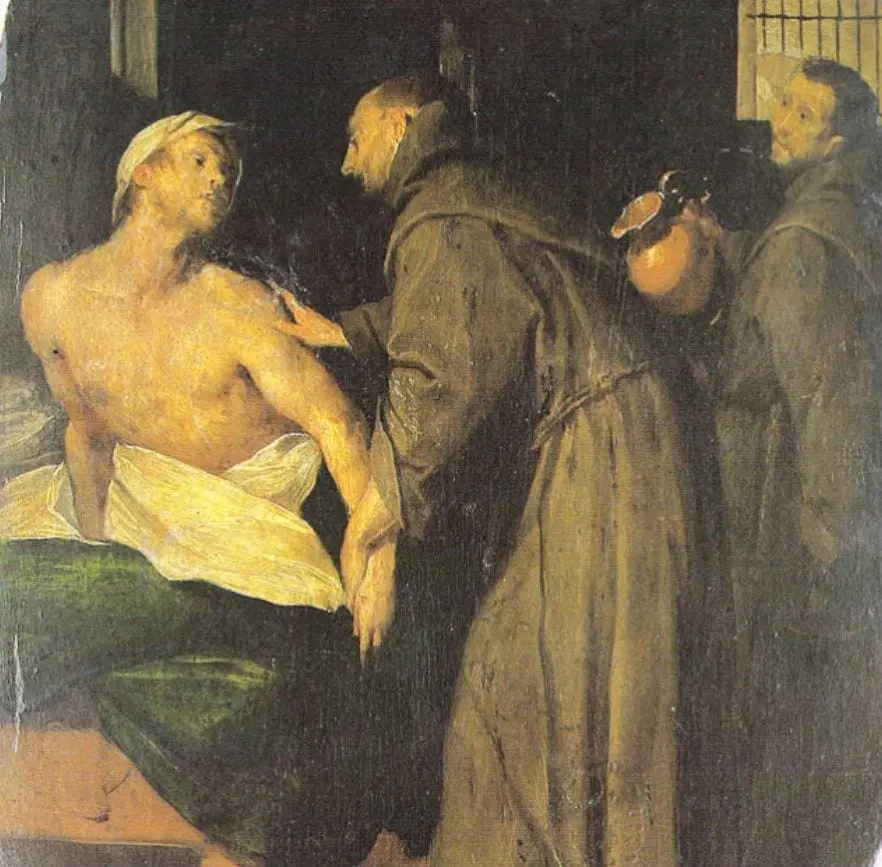
FranU’s core values of service, reverence and love for all of life, joyfulness of spirit, humility and justice show our commitment to embody the example set by our University’s namesake, Saint Francis of Assisi. The famous image of Saint Francis embracing the leper tells the story of true servant leadership. Saint Francis reached out for the leper, the most outcast of his time.
That image continues to influence FranU’s culture. It reminds future healthcare professionals to:
- See the value in every person
- Serve those who are overlooked
- Act with humility and compassion
- Promote justice in their communities
- Service is not an extra activity at FranU. It is part of the formation of every individual who graduates from our programs.
REACH: Learning Ethics in Action
FranU’s REACH initiative, Reflecting on Ethics and Catholic Healthcare, furthers our dedication to Catholic education in healthcare.
The mission of REACH is to advance the University's mission by educating and forming students, faculty, staff and members of the wider community in Catholic healthcare ethics. The image of the hands on the REACH logo represents the hands of Saint Francis, who cared for all of humanity, especially the downtrodden and forgotten of society.
Through REACH, students learn to:
- Describe the basic principles of Catholic healthcare ethics
- Compare Catholic moral teaching with other ethical systems
- Apply ethical reasoning to clinical simulations and case studies
- Develop the virtues needed to serve patients with integrity
REACH is fully integrated into FranU’s Bachelor of Science in Nursing program and will expand into other relevant programs, strengthening continuing Catholic education in professional formation.
Frequently Asked Questions
Because Jesus Christ and the gospel “make all things new” (Revelation 21:5), Catholic education renews the person in knowledge, virtue and holiness and transforms the culture in ways that manifest truth, goodness and beauty. Catholic education has played a monumental role in education throughout history, including the formation of some of the first universities, a tradition embodied in FranU today.
The Catholic faith believes in the truths handed down from Jesus Christ in Sacred Scripture (2 Timothy 3:16) and Sacred Tradition (2 Thessalonians 2:15). It professes the faith as delivered from Jesus Christ to his apostles and their successors, as manifested in the Apostles’ Creed and the Nicene-Constantinopolitan Creed, and acknowledges the development of that faith under the authority of those successors, the Magisterium.
Because the one true God is both the transcendent God who created the world and the personal God of divine revelation, there can be no conflict between faith and the genuine descriptions of the world given to us by science. As Pope St. John Paul II wrote, “faith and reason are like two wings on which the human spirit rises to the contemplation of truth.”
The Catholic Church was founded by Jesus Christ who, from his disciples, selected twelve Apostles, the successors of whom are Catholic bishops today. The Church began in the mind of God before the world was made (Ephesians 1:4), was prefigured in the Old Testament in the people of God, is manifested in the New Testament through Christ and those joined to his Body through word and sacrament, and will be complete at the end of time when the just are fully united to the Father, in the Son, through the power of the Holy Spirit.