
What is a Catholic Jubilee?
FranU InsiderYear of Saint Francis Jubilee
In honor of the 800th anniversary of Saint Francis’ death, the Catholic Church has declared 2026 a special Jubilee year. This occasion invites the FranU community to reflect on his legacy and rediscover what it means to live out the values he embodied.

Join Us for Weekly Mass
It doesn't have to be a Jubilee Year to participate! Everyone is welcome to join FranU's weekly mass every Wednesday at 10:45 a.m. in the Chapel of St. Francis at La Verna in St. Francis Hall.
What is a Catholic Jubilee?
The idea of a Jubilee comes from the Bible. In the Old Testament, the Book of Leviticus describes a time where debts were forgiven, land was restored to its rightful owners and people were invited to renew their relationship with God and with one another.
The word “Jubilee” comes from the Hebrew word for the ram's horn that was blown to announce the beginning of this sacred time.
Today in the Catholic Church, a Jubilee year invites all to:
- renew their relationship with God
- practice forgiveness and reconciliation
- make pilgrimages and participate in prayer
- grow in faith and service
The first Catholic Jubilee year was proclaimed in 1300 by Pope Boniface VIII.
Why is This a Jubilee Year for Saint Francis?
This special Jubilee commemorates the 800th anniversary of the death of Saint Francis of Assisi, who died in 1226.
Saint Francis is remembered for his love of God, care for the poor and respect for all of creation. His example continues to inspire the mission of Catholic institutions around the world.
Because our University is named after Saint Francis and is committed to his legacy, this Jubilee year is especially meaningful for our community.
It gives students, faculty and staff an opportunity to reflect on the values Saint Francis lived by:
- humility
- simplicity
- patience
- gratitude
Why This Jubilee Matters Today
The world Saint Francis lived in was marked by division, conflict and a need for renewal. His life offered a different path rooted in modesty and compassion.
This Jubilee year is not only about remembering Saint Francis of Assisi, but about living like him in today’s world.
All are invited to reflect on how they can:

Choose empathy over indifference

Seek peace in moments of conflict
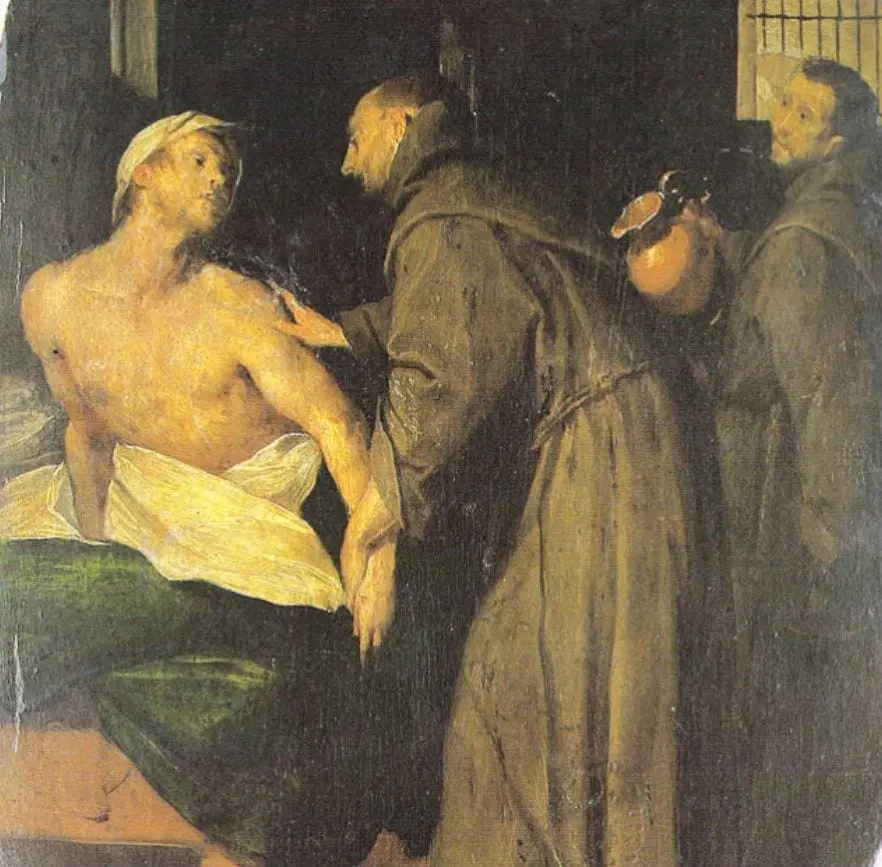
Serve others with humility

Care for their community
In a time when it is easy to feel disconnected or overwhelmed, the example of Saint Francis reminds us that small acts of faith and charity can make a lasting impact.
What is a Plenary Indulgence?
During certain Jubilee years, the Church offers the opportunity to receive a plenary indulgence.
In simple terms, a plenary indulgence is a special grace offered by the Church that removes the temporal effects of sin for a person whose sins have already been forgiven.
Catholic teaching explains that while sins are forgiven in the Sacrament of Reconciliation, their spiritual effects can remain. Indulgences are part of the Church’s ministry of healing and reconciliation through Jesus Christ.
The purpose of an indulgence is to help individuals grow in holiness and live more fully in God’s love.
6 Sacred Places That Still Shape Our Mission
Members of our Mission team trace the sacred places that shaped St. Francis during his life and what it means to carry that spirit into healthcare today. This year, the Catholic Church marks the 800th anniversary of his death, a moment that calls us to renew the Franciscan mission we live out every day.
From San Damiano to Mount La Verna, each stop along his journey still speaks to the way we serve today. The Jubilee Year is our invitation to renew the values that shape every life we touch. To be Franciscan is to draw near, serve with joy and welcome every person.
How You Can Participate
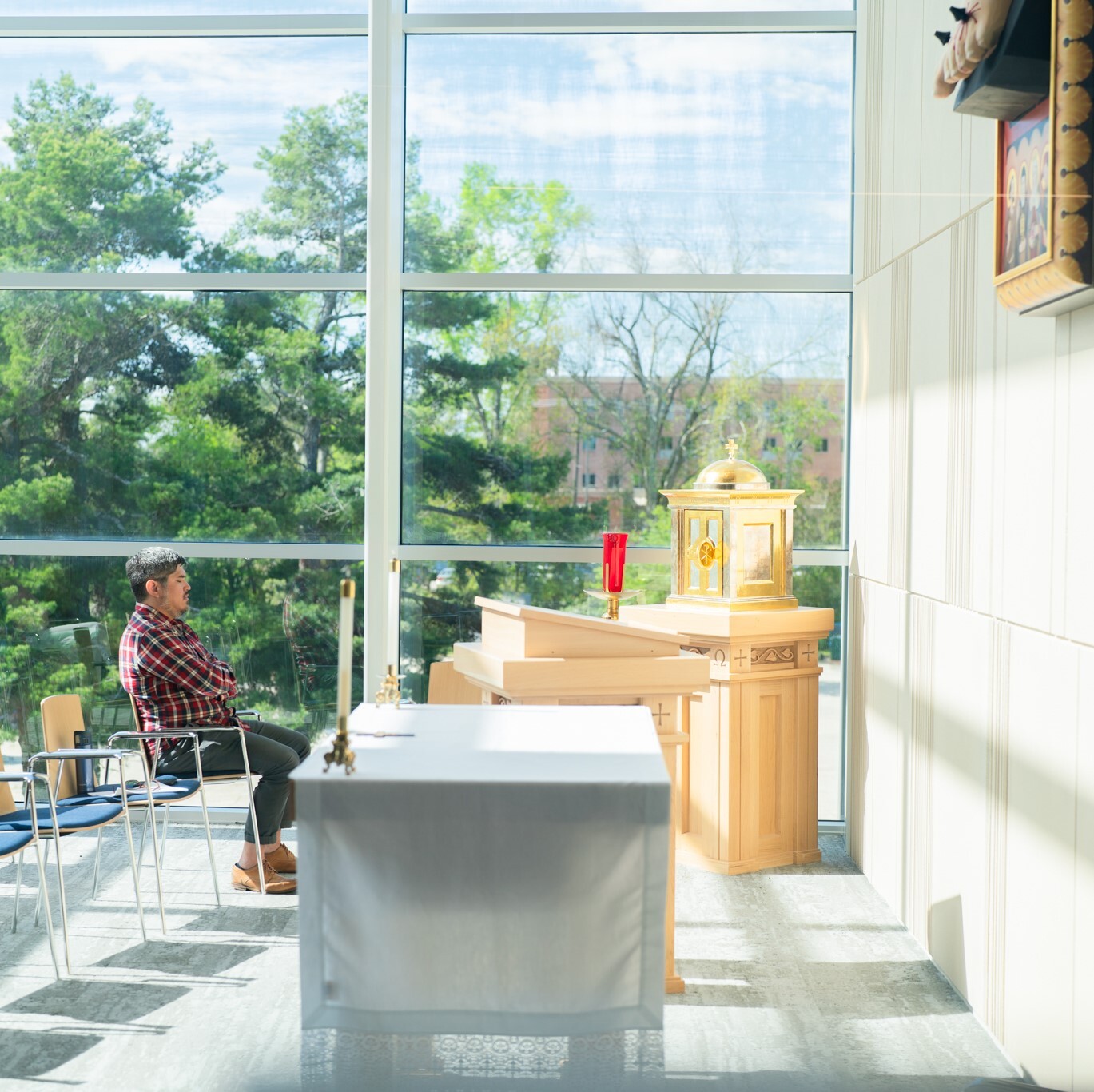
Anyone in the community can take part in the Jubilee by making a pilgrimage to La Verna Chapel in St. Francis Hall.
Those who make a pilgrimage to a Franciscan church during the Jubilee year may receive a plenary indulgence by completing the traditional conditions:
- make a pilgrimage to a Franciscan church
- pray for the intentions of the Pope
- receive the Sacrament of Reconciliation
- receive the Eucharist
- be sincerely committed to turning away from sin
These steps are meant to deepen faith and strengthen a person’s relationship with God.

Living the Spirit of Saint Francis
The Jubilee is not only about a pilgrimage or a prayer. It is also about living the values that Saint Francis of Assisi dedicated himself to.
Following the example of Saint Francis, the FranU community continues a legacy that remains just as relevant today as it was 800 years ago.