
Why Now Is the Time to Pursue a Forensic Science Career
FranU InsiderToday’s forensic science labs use the latest technology to find clues in a single skin cell or a deleted text message. Modern crime scenes raise the yellow tape for professional roles that did not exist ten years ago, and high-speed DNA testing can now identify the guilty or clear the innocent in hours instead of months.
As the forensic science field grows, crime labs and federal agencies increasingly look for applicants with the relevant skills you gain in a forensic science degree or certificate program.
What Do Forensic Scientists Do?
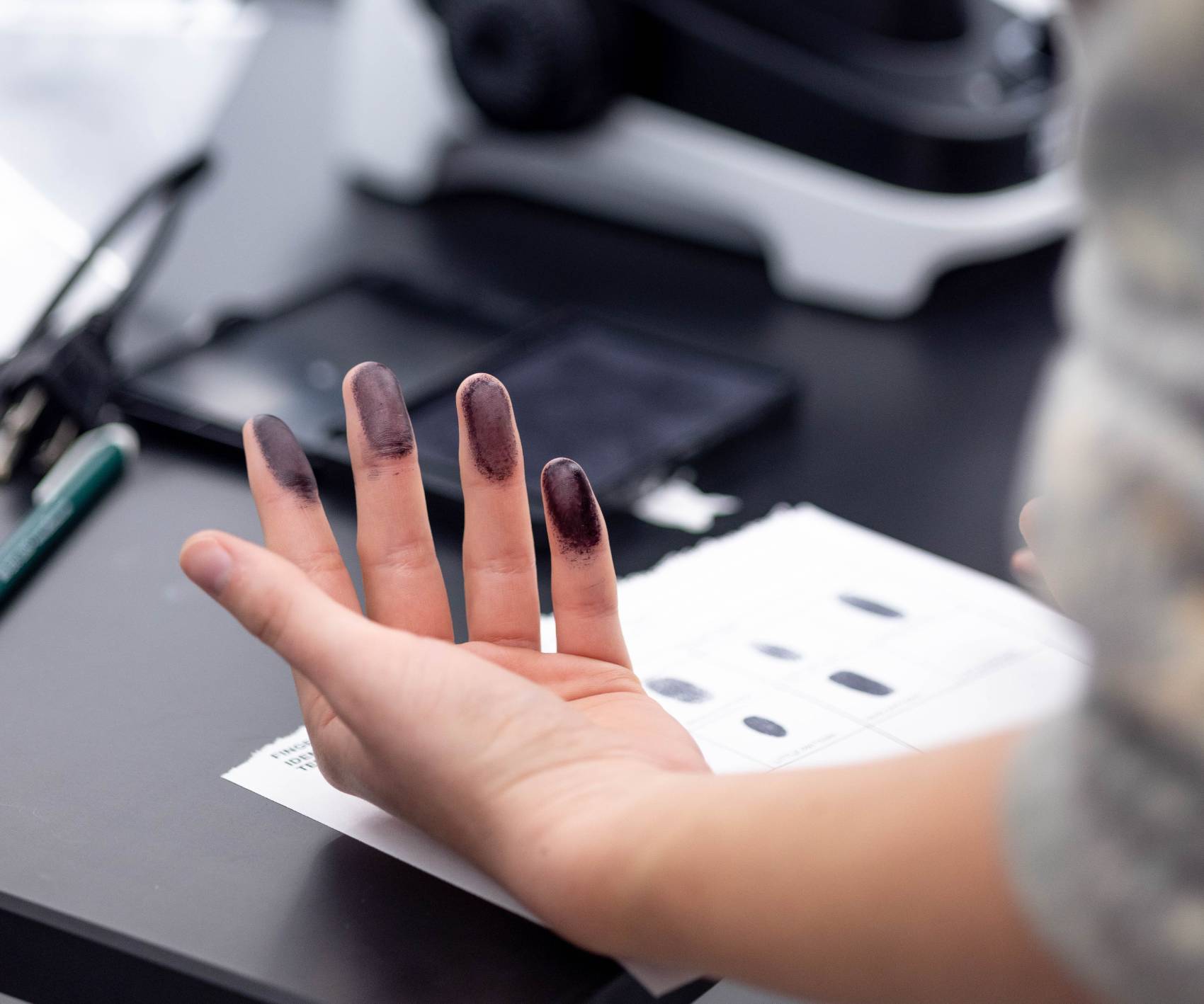
Forensic scientists analyze DNA, biological, and technological evidence. They work at the intersection of inspecting microscopic filaments and helping victims at their most vulnerable. Scientists with forensic education are crucial to the justice system, which is why they remain in such high demand.
According to the Bureau of Justice Statistics (BJS), publicly funded forensic crime laboratories received 3.3 million requests for evidence analysis in 2020. By the end of the year, 22% of those requests were backlogged. In contrast, when the BJS ran the same study in 2014, crime labs received 3.8 million total requests, with a backlog of just 15% at the end of the year.
Even though crime labs handle millions of requests each year, backlogs in evidence analysis continue to increase. The growing demand for forensically trained professionals to address these backlogs is another reason why now is a great time to enter the criminalistics field.
What Is the Current Forensic Science Career Outlook?
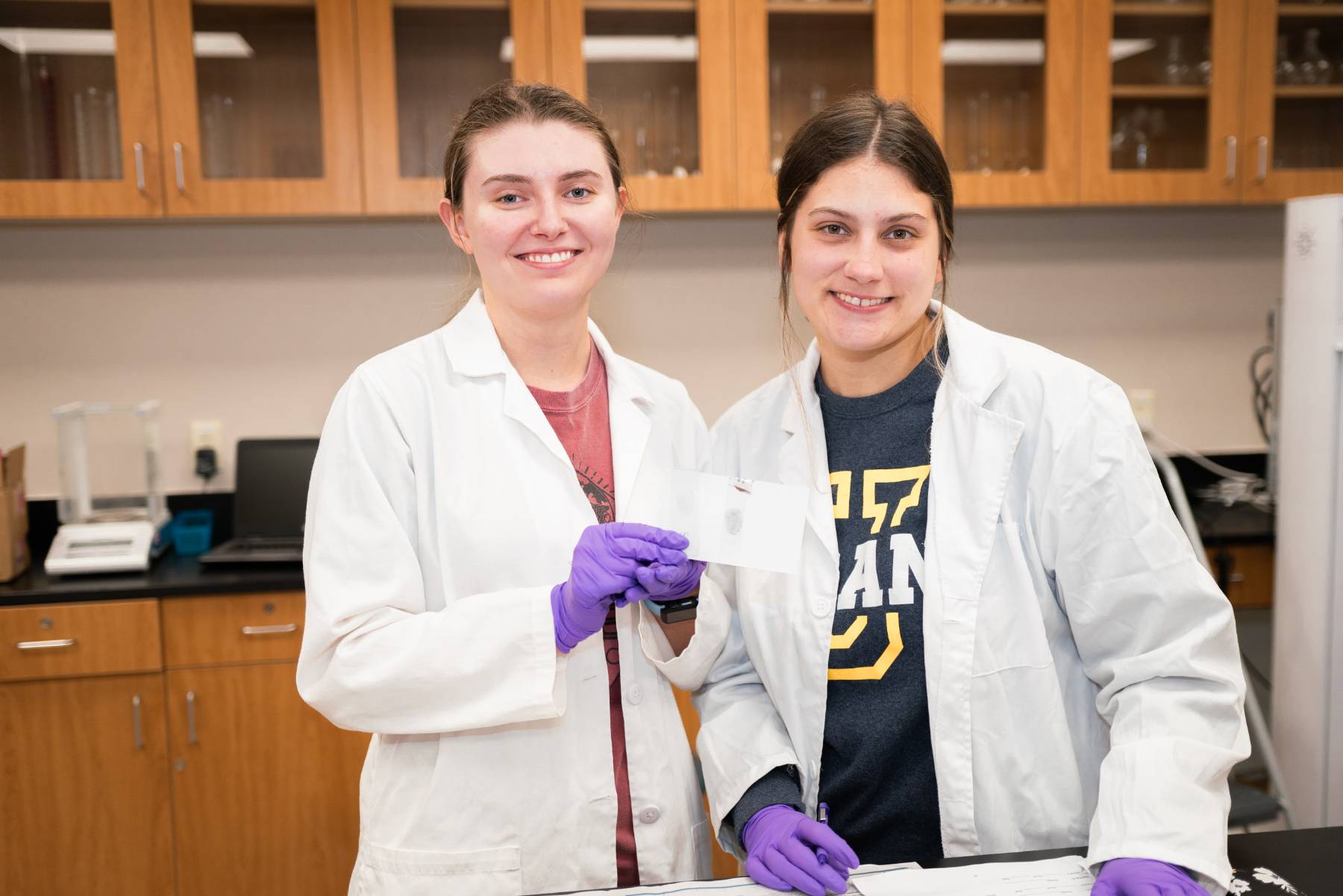
Forensic science, the study of physical evidence to solve crimes, offers a better career outlook for new graduates than many other sectors. The Bureau of Labor Statistics (BLS) reports that, over the next 10 years, forensic science technicians will see 13% job growth, a much faster-than-average increase in employment opportunities.
This is driven by demand from both the courts and law enforcement, as the criminal justice system increasingly relies on scientific evidence to find the truth and ensure that every person receives a fair trial. Forensic scientists help ensure that the right evidence is available to prove what truly happened when a suspect goes before a judge and jury. They act as a bridge between the crime scene and the courtroom.
How Much Do Forensic Scientists Make?
Forensic professionals are vital public servants who help uphold the integrity of a community. The BLS reports that forensic science technicians earn a median annual salary of $67,440. Since a technician role is an entry- to mid-level position, you may make as much or more as you gain experience in labs, crime scenes, and courtrooms throughout your career.
And these numbers are far from static. As forensic science career opportunities evolve, the industry is rapidly becoming more competitive. With a bachelor’s degree, particularly in STEM fields, you are a good candidate for a broad range of laboratory and fieldwork positions. Applicants with the following specialized experience are often highly sought-after candidates:
- Forensic chemistry
- DNA analysis
- Digital forensics
- Bloodstain pattern analysis
- Firearm examinations
Forensic Scientist Roles Beyond Crime Scenes
Because forensic science plays a central role in crime scene investigation, professionals also have the opportunity to fill other vital jobs in the justice system, such as:
- Case consultation: Forensic scientists help legal teams evaluate evidence to ensure no mistakes were made during testing.
- Post-conviction exoneration: Forensic scientists play a crucial role in re-evaluating convictions that occurred before modern DNA testing was available. According to the National Association of Criminal Defense Lawyers (NACDL), over 300 people were exonerated through DNA evidence from cases that occurred between 1989 and 2020.
- Toxicology: Toxicologists find and identify drugs, alcohol or poisons in biological samples. These experts analyze blood and urine, providing answers essential to solving overdose cases or sexual assault investigations. But today, toxicology specialists can also interpret results for emerging drug trends and contribute to investigations that involve new synthetic substances.
Additionally, forensic scientists are often expected to provide expert witness testimony to explain their lab findings to a judge and jury during a trial. This is a core component of the job responsibilities for seasoned professionals.
Characteristics and Education Needed for a Forensic Science Career
Labs and agencies prioritize candidates with strong ethics and scientific integrity. In this industry, the two always go hand in hand. Because their work can alter the course of justice, forensic scientists must remain committed to objective and transparent analysis.
In practice, a career in forensic science requires you to approach every piece of evidence with a careful and informed mindset.
By paying attention to the minute details of collection and documentation, you help
prevent mistakes and preserve the evidence’s usability in court. As a forensic scientist, you interpret complex evidence to build a trustworthy, legally
sound case. When you learn about the latest forensic methods and technology, you ensure the reliability
of your test results for years to come. By handling evidence with integrity and following strict legal standards, you help
ensure findings are credible and admissible in court.Key Traits
Meticulous Observation
Critical Analysis
Industry Knowledge
Ethical Judgment.
Start Your Forensic Science Career at FranU
The core principles of scientific inquiry and ethics are foundational to the Forensic Science Certificate program at Franciscan Missionaries of Our Lady University (FranU). Created to integrate with the Bachelor of Science in Biology, Biochemical Analysis track, this certificate allows you to improve your resume with valuable forensic science training while you pursue your bachelor’s degree.
When you choose FranU’s Forensic Science Certificate, you get hands-on lab training and a curriculum that covers a wide range of topics, including:
- Physical evidence collection
- Crime scene management and analysis
- Toxicology and serology
- Fingerprint (latent) analysis
- Firearms examination
- Hair/fiber analysis
- Instrumental analysis and data interpretation
- Courtroom testimony