Health Professions Research & Innovation Lab
State-of-the-Art Research in Action
School of Health ProfessionsAbout the Lab
Located in the Health Professions Building at FranU and renovated in 2025, this 671 square foot research laboratory is dedicated to supporting faculty and student research in the School of Health Professions. Over a half-million dollars of state-of-the-art equipment is available to quantify human movement, including cardiorespiratory and metabolic physiology, neuromuscular biomechanics, strength and balance testing, virtual reality, neurocognitive assessment and diagnostic ultrasound. In addition, the lab features 3D printing and customizable digital devices for innovative biomedical solutions. The laboratory space is designed to facilitate both research and hands-on learning through student experiences in physical therapy, physician’s assistant, radiology technician, respiratory therapy, nutritional science and medical laboratory science.
In fostering research and innovation, the lab supports the University’s mission to develop highly skilled professionals and integrated thinkers through scholarly inquiry. The goals of the lab are:
-
Promote access to state-of-the-art research equipment for faculty and students in healthcare professions
-
Facilitate teaching and demonstration of human performance testing and research methods
-
Foster biomedical innovation to create healthcare solutions
Lab Access & Scheduling
-
Access is granted to faculty and students actively engaged in approved research projects.
-
Lab scheduling is coordinated through the Lab Coordinator.
-
Orientation is required for first-time users.
How the Research & Innovation Lab Is Shaping Future Clinicians
Want to learn more about how the lab supports student learning, interdisciplinary collaboration and clinical research? Read our featured LinkedIn article, Helping Future Clinicians Think Like Researchers, to discover how FranU is turning curiosity into clinical capability.
Key Features
Clinical & Biomechanical Research Support
Equipped for studies involving movement analysis, exercise interventions, clinical assessments and outcomes tracking.
Advanced Technology
Includes multi-angle video assessments, wearable sensor technology and data capture tools to support research across health professions.
Flexible Environment
Configurable space for group studies, individual sessions, demonstrations, hands-on teaching labs and collaborative projects.
Workshops & Educational Sessions
Research skill development, equipment training and lab demonstrations are offered
Research Equipment & Capabilities
The laboratory is equipped with advanced instrumentation that enables comprehensive study of human performance, physiology and movement. Three wall monitors provide synchronized viewing throughout the lab.
Equipment includes a Woodway PRO Treadmill with an integrated metabolic cart, Cosmed K5 wearable metabolic system that provides real-time data collection in both laboratory and field environments and a Monark Ergomedic 828E cycle ergometer that supports cycling protocols. The BIOPAC MP160 physiology suite with AcqKnowledge software and 6‑lead EKG supports detailed cardiovascular and respiratory monitoring. Body composition and cellular water analysis are performed using the InBody BWA 2.0 bioimpedance analyzer.
The assessment of muscle activity and segment kinematics is supported by an integrated motion capture platform powered by Noraxon MyoResearch software. The system includes Noraxon Ultium Surface EMG (16 channels), Core wireless EMG (8 channels) units and Noraxon Ultium Inertial Motion Units (16 channels). Markerless motion capture is enabled by high-definition Ninox 120 and 300 cameras (x2), while dual Bertec 3D force plates yield comprehensive gait and jump analysis. Noraxon Ultium insoles provide detailed foot pressure mapping, and the Noraxon Analog Input system enhances data integration from a variety of analog sources.
For strength and balance quantification, the lab houses the Biodex System 4 Pro, Tindeq, Hoggan Microfet2 and Ergofet dynamometers and Jamar digital handgrip and pinch dynamometers. Speed and power output are measured via the 1080 Sprint Device and Vertec Vertical Jump Tester, with Y-Balance equipment supporting dynamic balance protocols. Three MassRehab Overhead rail & harness support systems ensure participant safety during functional assessments and perturbation training.
Soft tissue assessment is conducted using the MyotonPro myotonometer for muscle tone quantification and a Wagner digital algometer for pressure pain threshold measurements. Biopac’s Functional Near Infrared Spectroscopy (fNIRS) system enables non-invasive monitoring of muscle oxygenation.
Neurocognitive assessment is supported by Biopac fNIRS system for frontal cortex activation, providing insight into both peripheral and central responses to task demands. Reaction time and coordination are evaluated using the DASHR Reactive Agility Timing system and QuickBoard Pro. Immersive virtual training virtual training and assessment are available through Virtualis PhysioVR and MetaQuest 3 platforms.
Musculoskeletal imaging is supported by a GE Logiq p10 mobile cart ultrasound system with elastography, 14 Clarius handheld wireless units (L7, L15, L20, C3) with iPads, a NeoMedical handheld wireless probe and an ultrasound Probefix for hands-free operation.
To facilitate exercise interventions and functional assessments, the lab includes a Rogue Squat Rack and platform, as well as a Hypervibe G17 vibration platform. Together, these resources provide a robust infrastructure for innovative research into human movement, clinical rehabilitation and performance enhancement.
Biomedical innovation is supported with a Creality K1C 3D printer to create devices for teaching, research and patient use. Arduino microcircuitry and sensors are used to create innovative digital devices.
Services & Support
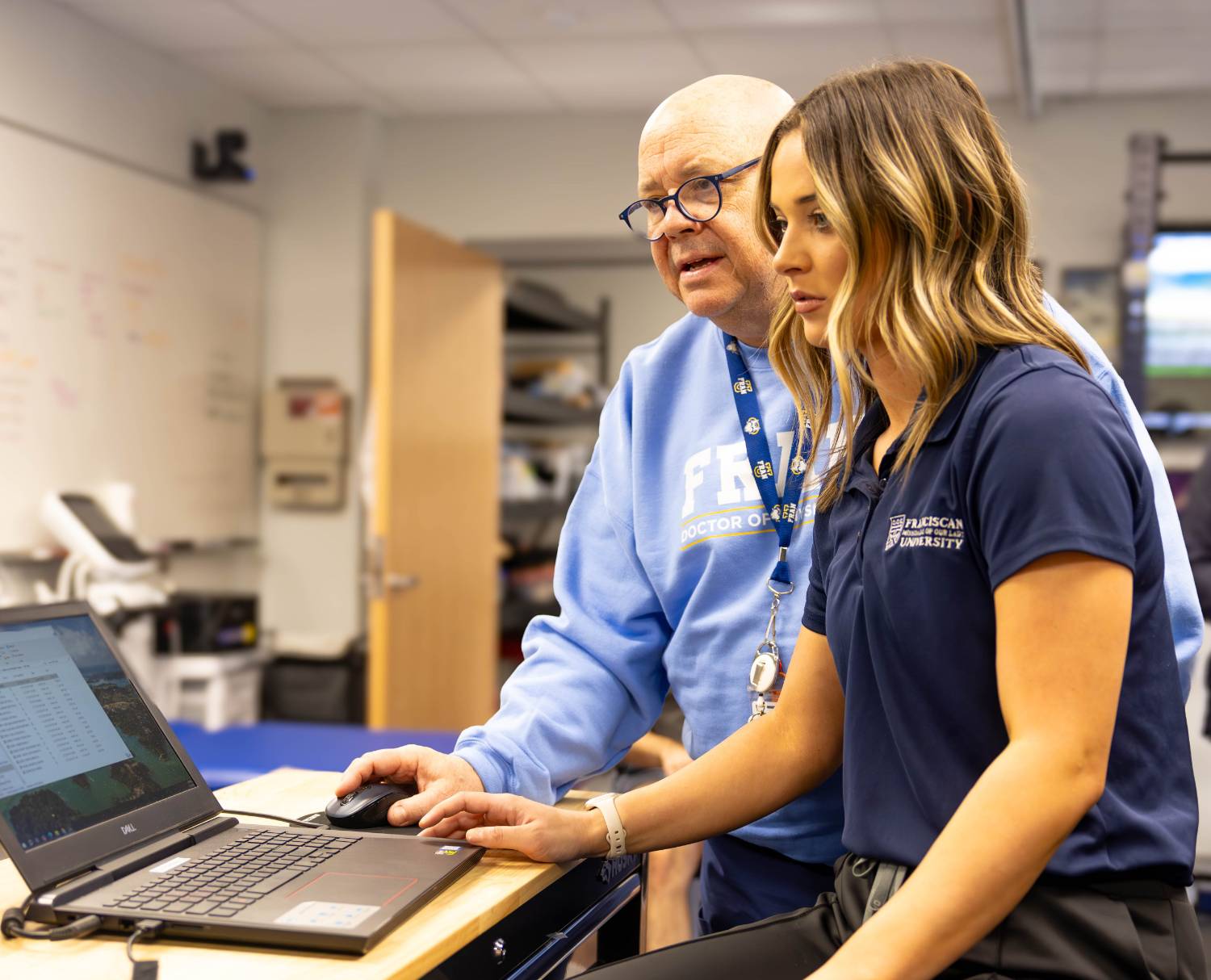
Student Research Mentorships
The Research & Innovation Lab provides students support for their capstone, thesis or evidence-based practice projects.
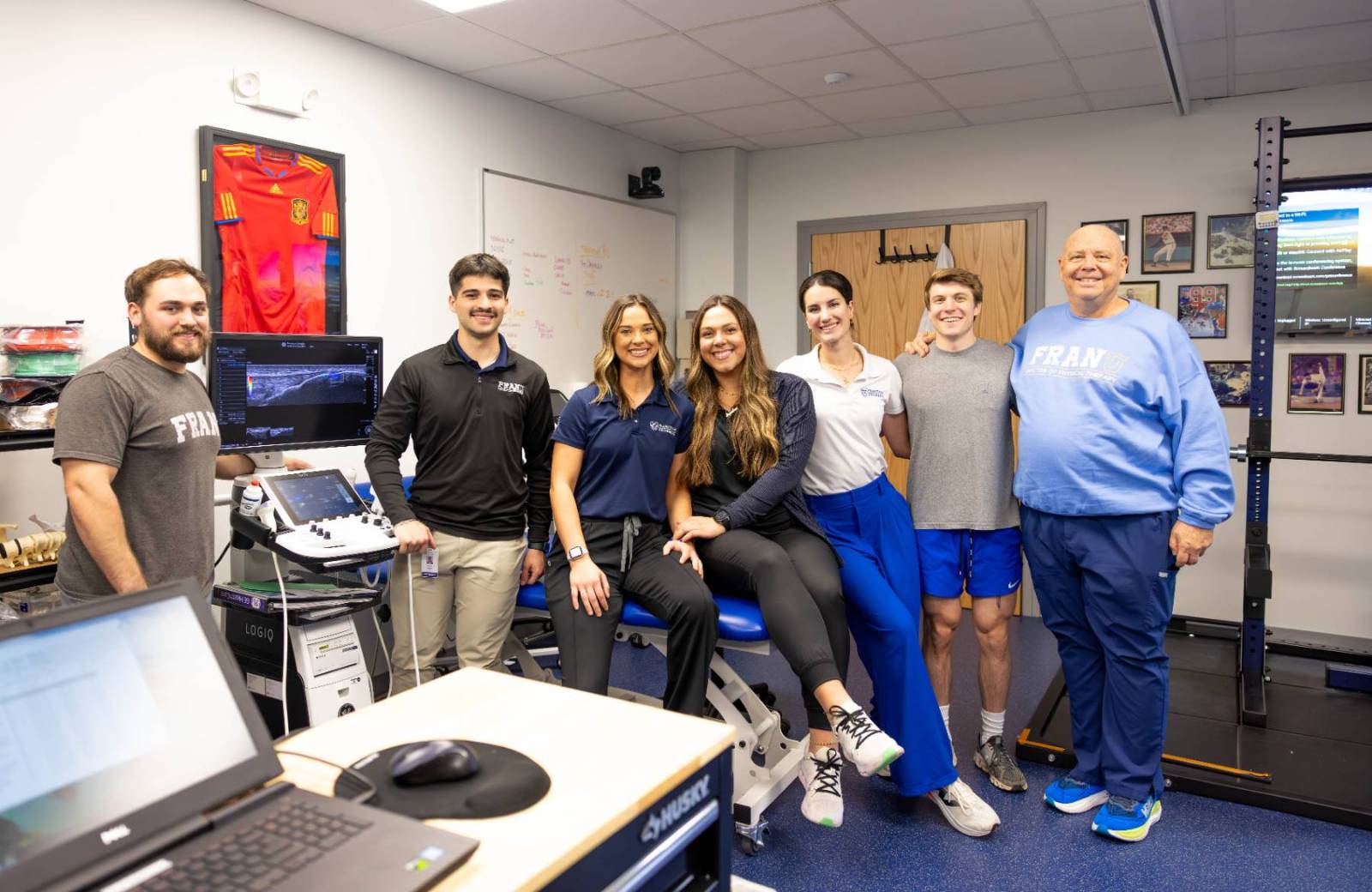
Interprofessional Collaborations
A shared space is provided for programs across the School of Health Professions.
Did you know? Research consistently shows that well‑designed collaborative learning spaces are associated with increased student engagement, critical thinking and peer interaction in higher education.
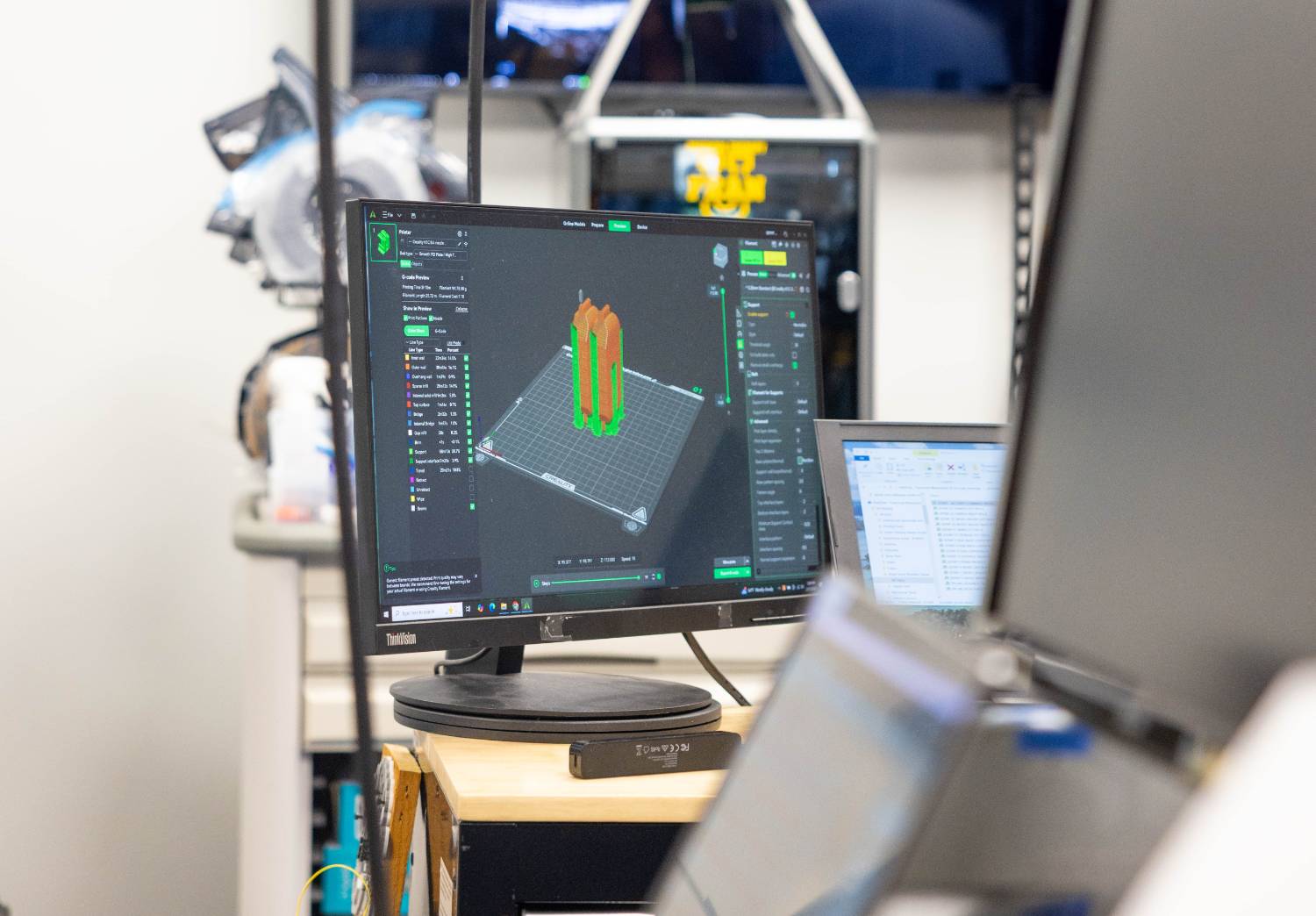
Faculty Research Projects
Hands‑on support for protocol setup, equipment training and use and data collection for research initiatives.
Research & Innovation Lab Staff
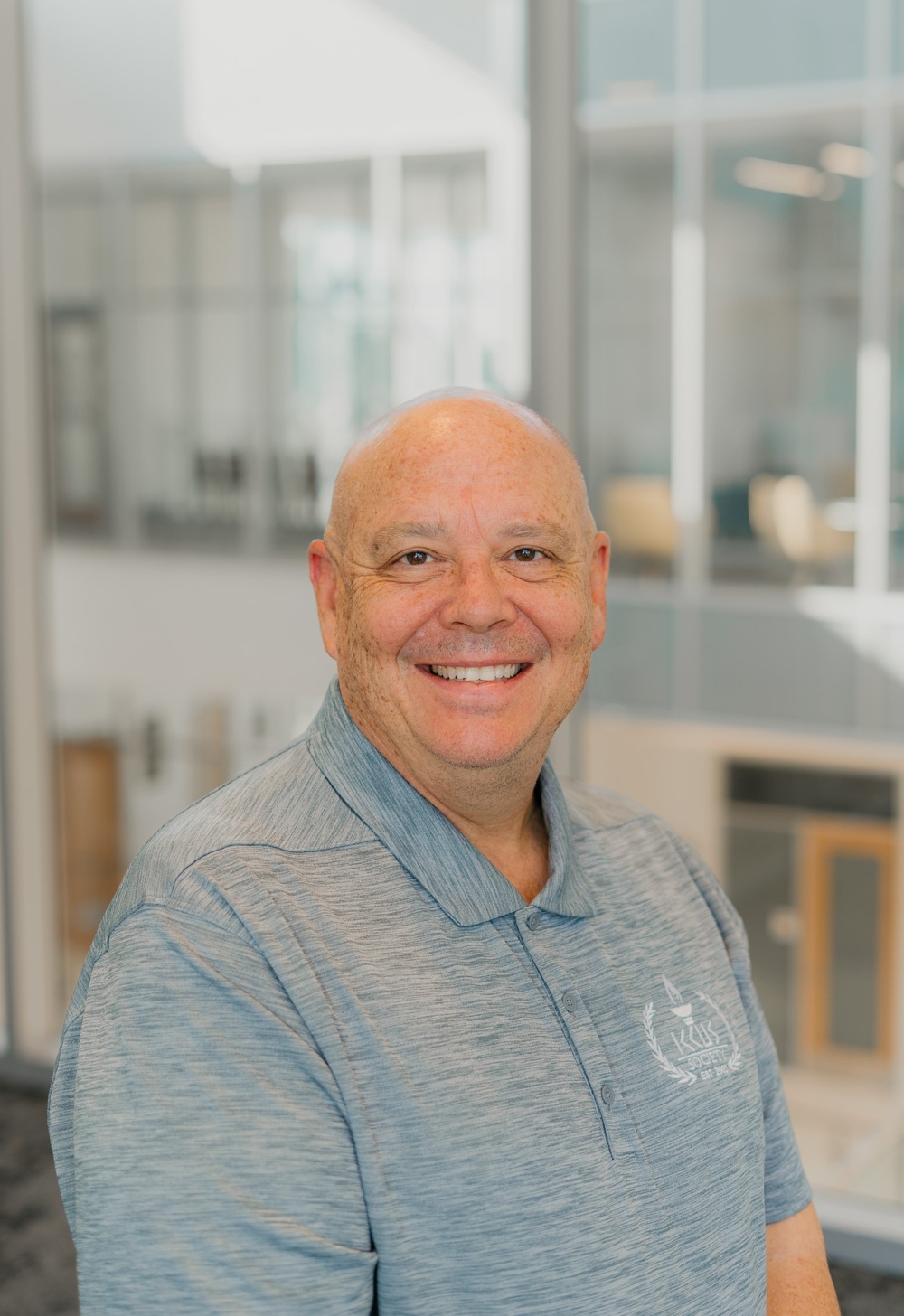
Dr. Phil Page, Ph.D., P.T., ATC, CSCS, FACSM
Research Director & Professor, DPT Program
Dr. Page received his Ph.D. in Kinesiology from LSU, and holds a masters degree in exercise physiology and bachelors degrees in both athletic trainer and physical therapy. He is a licensed physical therapist and athletic trainer. He is a fellow of the American College of Sports Medicine and is in the Sports Physical Therapy Hall of Fame.
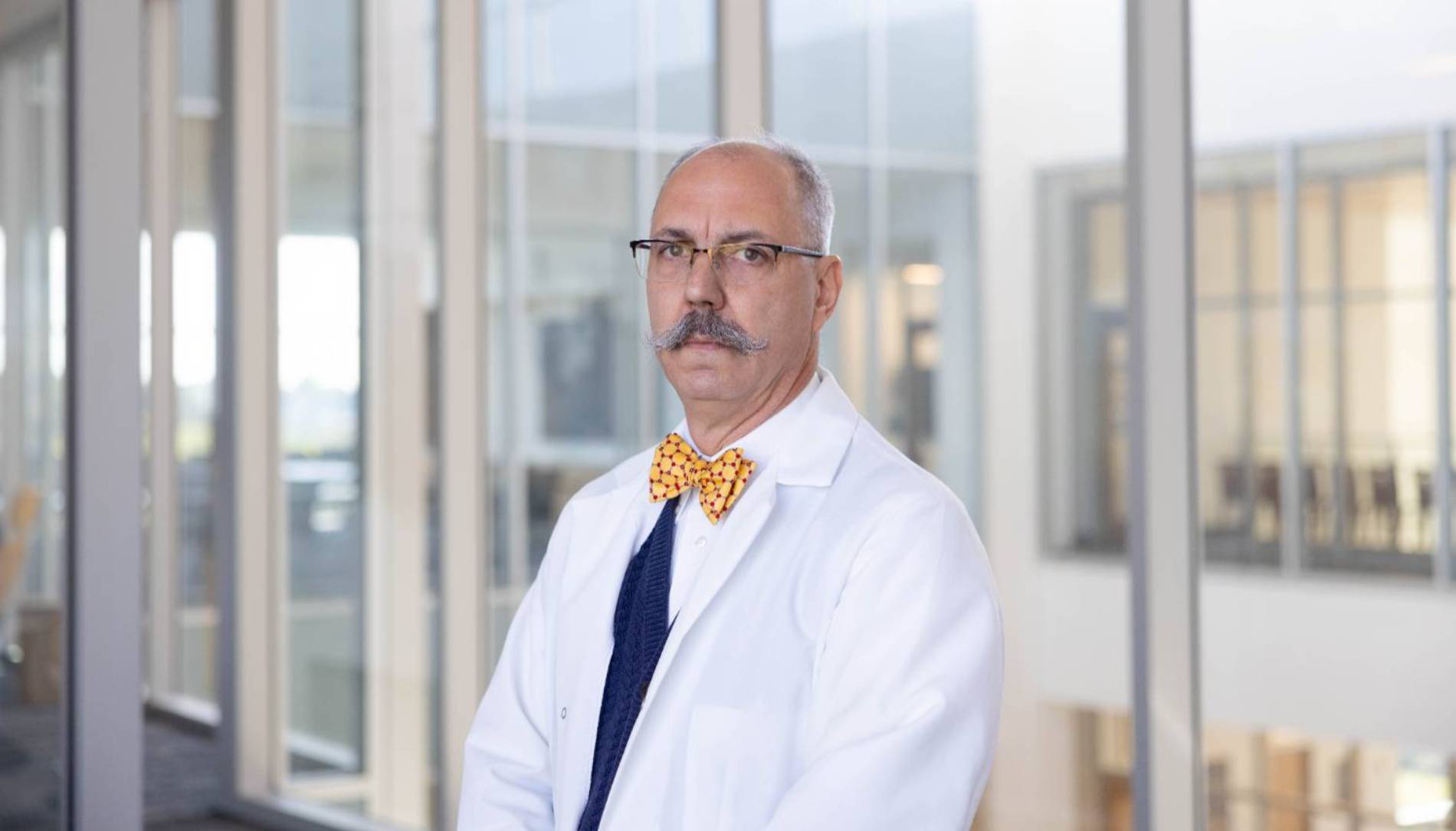
Albert Swafford, Ph.D.
Associate Professor, DNP-NA & DPT Programs
Dr. Albert (Bert) Swafford has been with the University since 2006. Dr. Swafford obtained his Master of Science in Physiology from the University of South Alabama in 1998 and earned his Doctor of Philosophy in Physiology from Louisiana State University Health Sciences Center in 2003. Dr. Swafford was named the Didactic Instructor of the Year by the American Association of Nurse Anesthetists in 2013.