
Bachelor of Arts in Psychology
-
Degree
Bachelor's
-
School
Art & Sciences
-
Program Feature(s)
Hybrid, Internships
Program Overview
The Bachelor of Arts in Psychology focuses on the development of skills that employers value, such as scientific reasoning and problem-solving, written and oral communication, ethical and social responsibility and professionalism. Equipped with these skills, psychology majors are well-prepared for both a wide range of occupations requiring only a bachelor’s degree or for professional training programs in psychology, counseling, social work and applied behavior analysis.
Students pursuing a BA in psychology have the option to embed within their degree program specialized training in the growing field of Applied Behavior Analysis, developing marketable skills applicable in many career settings. Courses in the psychology degree program include vocations in psychology, ethical issues in healthcare, psychology across the lifespan and abnormal or biological psychology.
On This Page
Program Contact
Susan Brigman, Ph.D.
Phone: (225) 526-1815
Email: Susan.Brigman@franu.edu
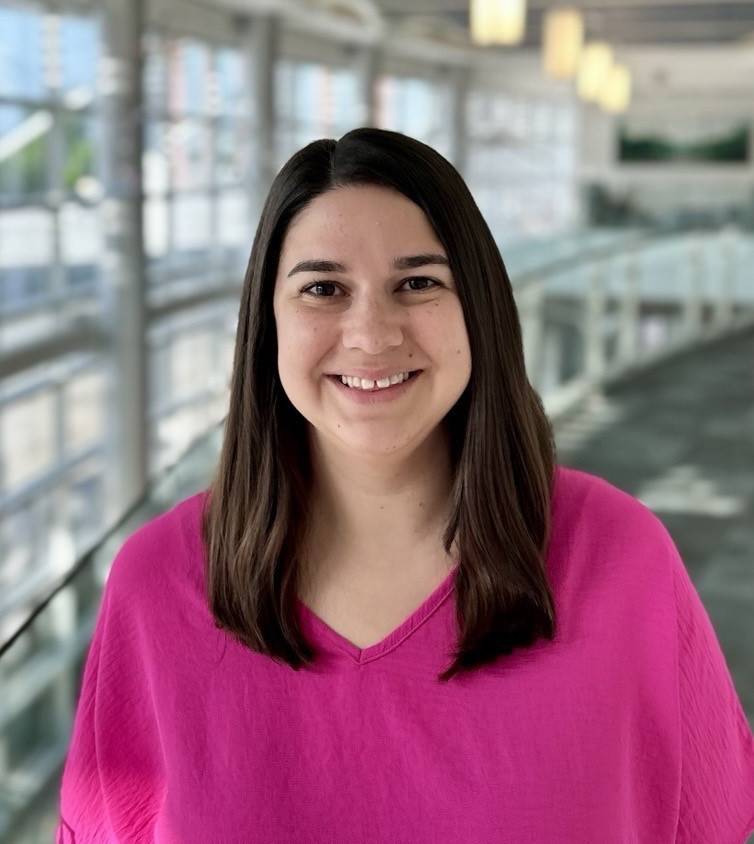
“My psychology courses were invaluable for learning about human behavior, stress responses and communication, all of which I use daily. Even courses outside my major taught me time management, critical thinking and how to approach challenges from multiple angles.”
Alyssa Simoneaux Landry
Psychology Alumni | Emergency Manager, Woman's Hospital
Psychology Potential Careers
Mental Health & Human Services
Focus on helping individuals improve their well-being through counseling, case management and rehabilitation support. Roles often involve working in community agencies, hospitals, schools or nonprofit organizations.
Criminal Justice & Law
Use psychological insight to work with offenders, victims and law enforcement. Careers include probation services, victim advocacy and forensic interviewing to aid investigations.
Business & Corporate
Apply psychological principles to understand consumer behavior, improve employee relations and enhance organizational performance.
Endless Possibilities
With a psychology degree, your career options go far beyond counseling. You can explore paths in healthcare, social services, research, technology and more.
Program Mission
The mission of the psychology program at Franciscan Missionaries of Our Lady University is to cultivate Franciscan servant leaders with an integrated knowledge of the science of psychology for community engagement.
Through vocational discernment, learner-centered teaching and active-learning experiences, psychology graduates will be prepared for 21st century careers and entry into advanced degree programs.
Program Goals
The psychology bachelor’s degree program aims to:
- Educate students with an integrated knowledge of the science of psychology.
- Develop skills necessary for 21st-century careers and entry into graduate or professional training programs.
- Provide evidence-based educational experiences that promote integrated knowledge of the science of psychology, vocational discernment, community engagement and Franciscan core values.
- Provide educational experiences that meet the needs of the communities we serve.
Program Learning Outcomes (PLOs)
Bachelor of Arts in Psychology graduates will demonstrate the following competencies and skills:
- Knowledge and application of psychological concepts and frameworks to complex behavioral problems.
- Skills related to scientific reasoning and problem-solving, including theory use and executing research methods.
- Ethical and socially responsible behaviors in professional and personal settings in a landscape that involves increasing diversity and personal and professional values that can strengthen community relationships and contributions.
- Competency in writing and in oral and interpersonal communication skills.
- Application of psychology-specific content and skills, effective self-reflection, project-management skills, teamwork skills and career preparation.
Program Admissions Requirements
Students interested in applying to the BA in psychology program must be graduating or have graduated from high school, have an acceptable HiSET exam score or take the General Education Development (GED) test.
For additional details on admission requirements, including test score and GPA requirements, visit the Freshman Admissions page.

Ready to explore the science of mind and behavior?
Start your journey toward a career in psychology today. Apply now to join a program that combines research, critical thinking and hands-on experience to prepare you for graduate study or professional success.
Psychology Faculty
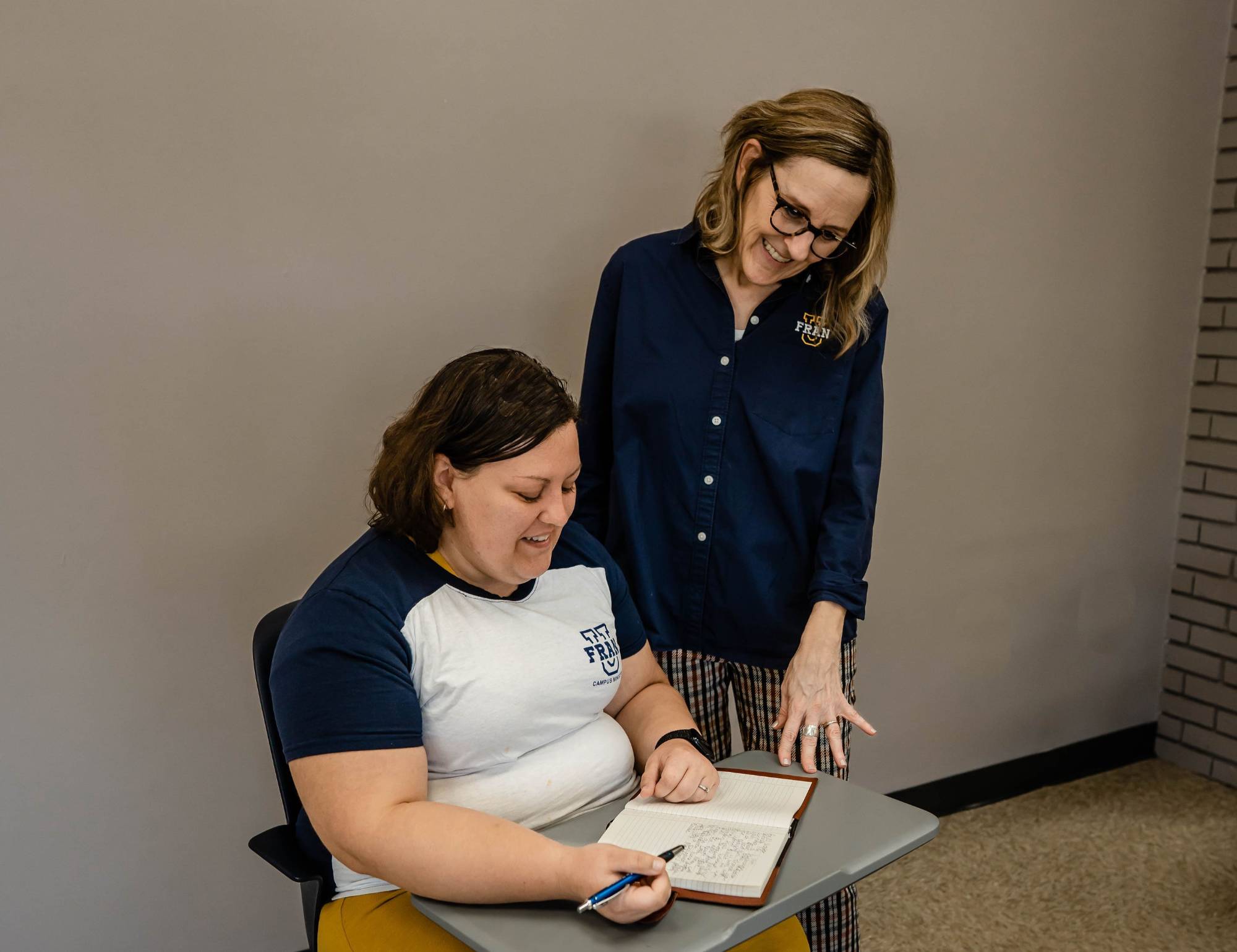
FranU’s psychology faculty members are highly skilled professionals with extensive subject area expertise and a passion for teaching students how to understand human behaviors and apply it to their future careers.
Frequently Asked Questions
Students in the psychology program take courses that firmly establish the scientific foundation of the discipline and provide opportunities to develop competencies in scientific inquiry and critical thinking, ethical and social responsibility, communication and professional development.
Our curriculum will foster connections across disciplines and encourage students to seek opportunities for exploring the intersections of psychology and biology. Supported by our knowledgeable psychology faculty, students will feel empowered to pursue their research interests, make discoveries and communicate their findings.
Students who are interested in pursuing graduate studies will find that the psychology program at FranU provides a thorough curriculum that prepares students for the demands of graduate school, all while making room for students to embrace curiosity and overcome challenges.
In addition to gaining a broad knowledge base of psychology through rigorous coursework, you will also have the opportunity to apply what you have learned in a real-world setting through an internship or practicum with one of FranU’s many Community Partners.
When students participate in experiential learning, not only do they gain a better understanding of course material, they also gain insight into their own skills, interests and values, develop self-confidence and leadership skills and hone positive professional practices and skill sets. Experiential learning provides opportunities to collaborate with individuals from diverse backgrounds and will give you the gratification of assisting in meeting community needs.
Students desiring to enter the workforce following graduation may choose to engage in a practicum experience with a FranU community partner to hone their hands-on skills in preparation for their career. Students planning to pursue graduate training in psychology after graduation may choose to engage in a faculty-guided research project and present their research at the FranU Student Research and Scholarship Showcase.
Students may also get involved in the FranU Psychology Club, a service organization for those interested in the field of psychology. Psychology Club members support one another academically, organize community service events, develop leadership skills and build professional networks and enduring friendships.
A psychology degree can be utilized in many contexts. Those who hold a degree in psychology may work in community and social service occupations, counseling, educational instruction, training and development, healthcare, managerial occupations, administrative support, sales and marketing and human resources. FranU’s emphasis on vocational discernment will help you identify and plan for a career that aligns with your interests and values while also developing skills employers value.
According to the Bureau of Labor Statistics, psychology degree holders make a median annual salary of $55,000, with 62% of degree holders working in an occupation at the bachelor’s degree level.
Accreditation
For information about our SACSCOC accreditation, please visit our Institutional Accreditation page.
Psychology Program Curriculum
The bachelor’s degree in psychology requires 120 credits to complete, which includes general education courses, psychology and psychology-related courses and general electives. Students may choose either a practicum or independent research for their capstone experience. There are an additional 6 credit hours of Service-Learning courses required.
Students select courses from four content domains identified by the American Psychological Association (APA): (1) developmental psychology, (2) sociocultural psychology, (3) psychology of learning and cognition and (4) biological psychology to achieve an integrated knowledge of psychology. Additional upper division courses from each domain can be selected to align with students’ career goals.
Curriculum Notes:
*General Education Requirement: Students completing a baccalaureate degree must complete 44 credit hours of general education coursework. See the academic catalog for information on general education requirements.
**General Elective courses may be selected from a variety of disciplines with departmental approval. Coursework to fulfill requirements for a minor may be used to meet this requirement.
PSYC Domain Knowledge: To achieve an integrated knowledge of the field, psychology majors will select one course from each of the following four domains of psychology:
- Developmental Psychology Domain: PSYC 2330, PSYC 3310, PSCY 3320, PSYC 3325
- Sociocultural Psychology Domain: PSYC 2340, PSYC 3335, PSYC 3340, PSYC 3345
- Biological Psychology Domain: PSYC 3315, PSYC 3330, PSYC 4315, PSYC 4320
- Learning & Cognition Domain: PSYC 2350, PSYC 3350, PSYC 4350, PSYC 4360
The Learning Experience
Get a preview of FranU’s Psychology program. Check out the complete curriculum in SmartCatalog.
- PSYC 2100 Vocations in Psychology
- PSYC 2330 Psychology Across the Life Span
- PSYC 3335 Personality
- PSYC 4320 Health Psychology
- PSYC 4930 Senior Practicum in Psychology



Award-Winning Excellence at FranU
Our nationally recognized programs set the standard in higher education.
See What Sets FranU ApartWhere Progress Makes Headlines

A Student of OLOL College, a Graduate of FranU
One of the most transformational periods of Russel Landry’s life began more than 10 years ago as a student at Our Lady of the Lake College.
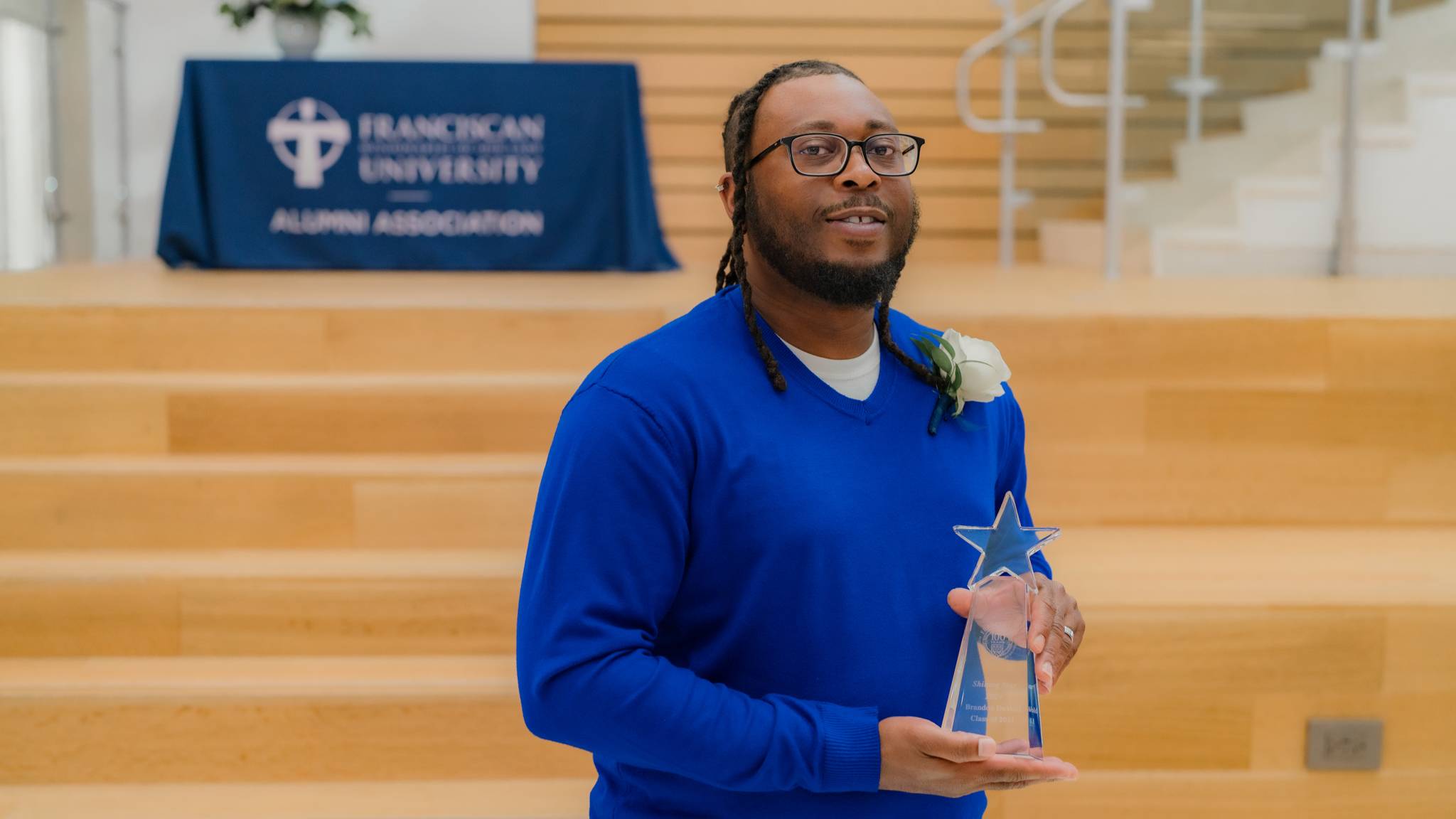
FranU Alumnus Brandon DeVold’s Story of Resilience and Leadership
Brandon DeVold shows that you won’t always have a plan when it comes to your future and to lean on those around you to find a way forward.
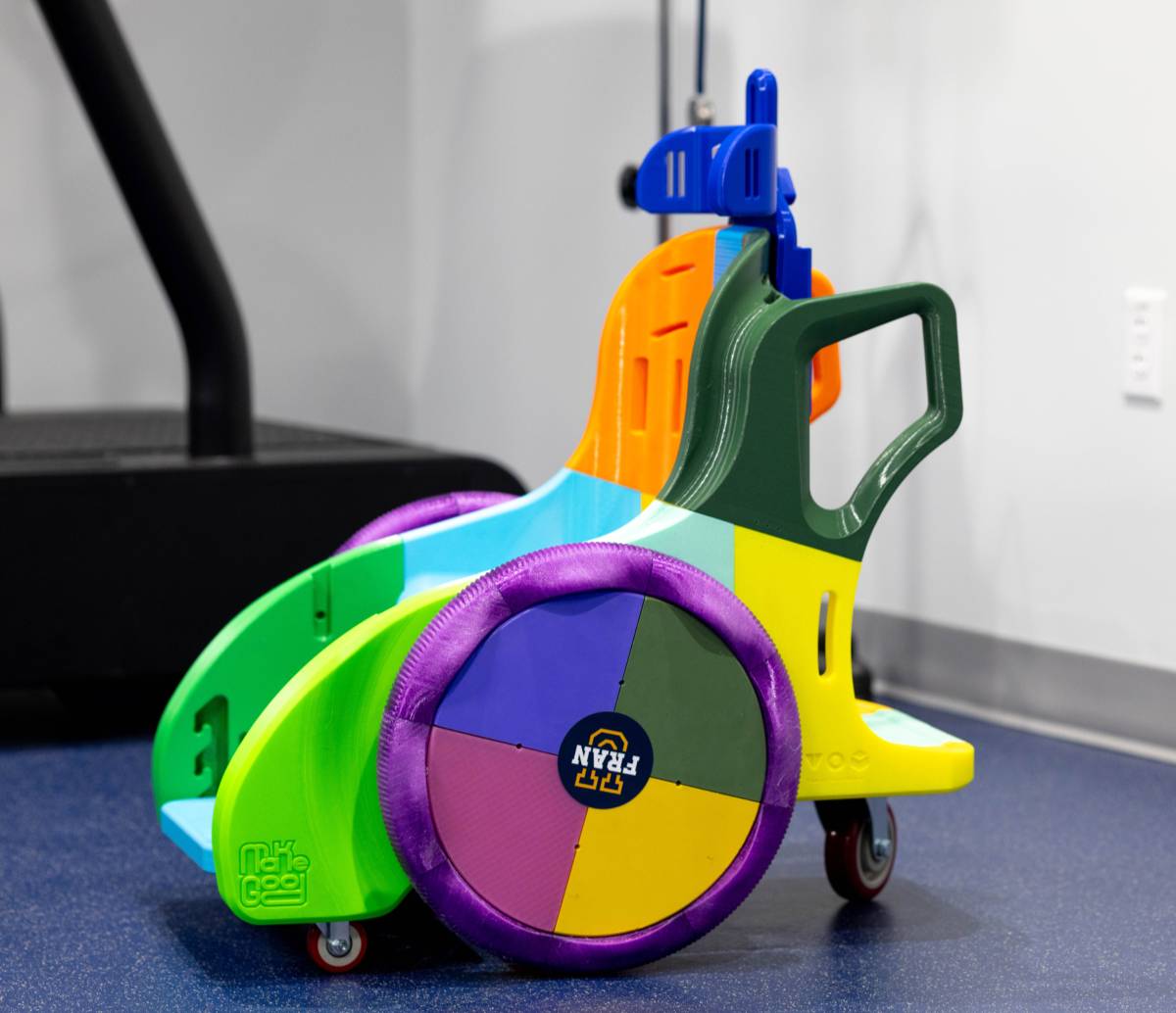
FranU DPT Students Use 3D Printing to Create Mobility Devices for Children
Through innovation and service, FranU DPT students are creating 3D-printed devices that support mobility and independence for children.