
Bachelor of Science in Medical Laboratory Science
-
Degree
Bachelor's
-
School
Health Professions
-
Program Feature(s)
Guaranteed Admission
Program Overview
The Bachelor of Science in Medical Laboratory Science (MLS) program prepares graduates to analyze clinical specimens through the use of specialized skills and sophisticated instrumentation.
Information from the analysis of specimens provides data critical for patient diagnosis, treatment, prognosis or disease prevention. Medical laboratory scientists work in hospitals, forensics, public health, industrial/research laboratories, physician offices and blood banks.
The purpose of the Medical Laboratory Science program is to provide the community with cognizant and adept scientists capable of competing and excelling in today’s progressive job market. Graduates of this program will possess the knowledge and skills necessary to become successful in the MLS profession and will be eligible to take the national certification examination offered by the American Society for Clinical Pathologists (ASCP).
On This Page
Program Contact
Deborah Fox Ph.D., MLS (ASCP) | Program Director
Phone: (225) 526-1727
Email: Deborah.Fox@franu.edu
Fast Facts About FranU MLS
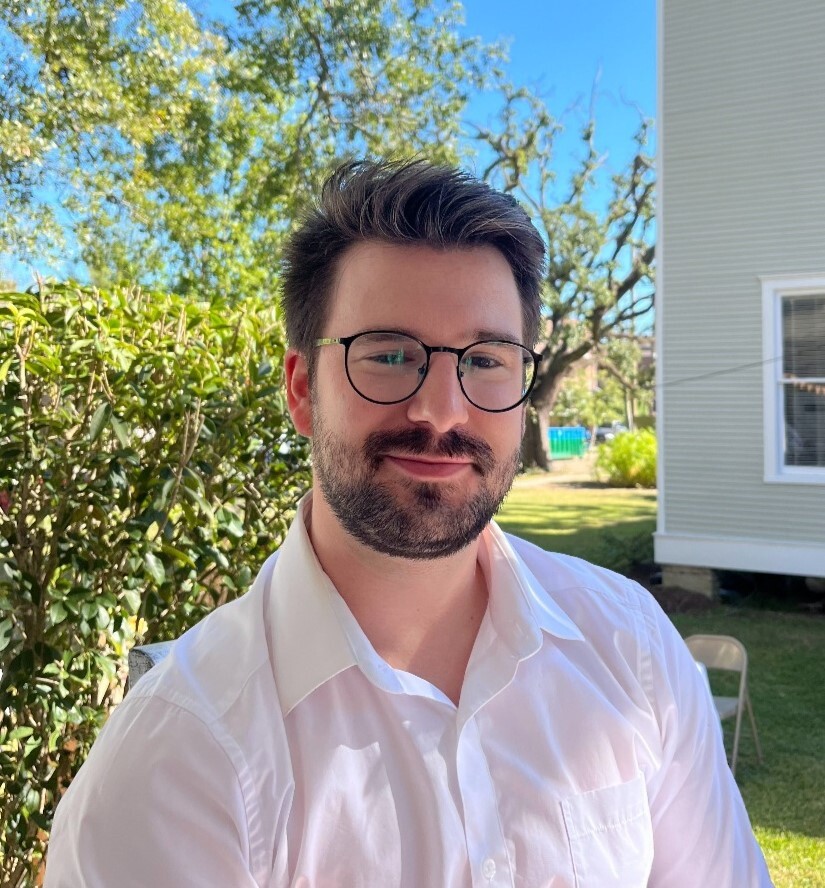
“Together with a small class size and instructors that are personable, easy to talk to, and are truly passionate about your success; I found a great school that helped me earn the life I live today. Being at FranU taught me independence and critical thinking skills that are absolutely crucial in navigating clinical operations in a hospital laboratory.”
Matthew Babin, Class of 2019
Lab Lead Scientist, North Oaks Health System
MLS Potential Career Outcomes
Hospital-Based Medical Laboratory Scientist
Work in clinical laboratories within hospitals, performing diagnostic tests on blood, tissue and other bodily fluids to help physicians diagnose and treat diseases.
Public Health and Government Agencies
Contribute to disease surveillance, outbreak investigations and public health research in organizations like the CDC, FDA or state health departments.
Research and Development
Join academic institutions, biotech companies or pharmaceutical firms to conduct research on new diagnostic tools, treatments or medical technologies.
Endless Opportunities
An MLS degree opens doors to dynamic careers in labs, clinics, fertility centers and more. Graduates are awarded the professional designations of Medical Laboratory Technologist and Clinical Laboratory Scientist.
MLS Program Highlights
-
Multifaceted learning - The methods of instruction used in MLS courses will include formal lectures, case study discussions, audiovisual presentations and web-based exercises. Students will participate in active discussions of case studies and web-based exercises, developing students’ comprehension, problem-solving and critical thinking skills. Students will also participate in state-of-the-art interdisciplinary simulated learning experiences through FranU’s Simulation Environment Teaching Hospital (SETH).
- Hands-on laboratory experience - Most professional lecture courses have a correlating student laboratory course and the student laboratory is available for use outside of the regularly scheduled class meetings for additional practice. Students are encouraged to make use of this extra time to develop competency and ensure mastery of the material.
- Clinical exposure - Students pursuing the bachelor’s degree in medical laboratory science will participate in four, 5-credit hour clinical practicum at an area hospital, providing a vital opportunity for students to put their knowledge into practice in a medical setting.
- MLS certification prep - Students successfully completing the Medical Laboratory Science degree are eligible to sit for the Medical Laboratory Scientist (MLS) certifying examination offered by the American Society for Clinical Pathology (ASCP).
- Student organizations - The Medical Laboratory Science Association (MLSA) is a student organization whose purpose is to broaden the career scope of the membership. Members are encouraged to participate in professional and community activities and to disseminate information about the career of medical laboratory science.
- Student scholarships and awards - The Joy Holm and Betty Lynn Theriot Memorial Scholarships are awarded annually to students in medical laboratory science by the Louisiana Society for Clinical Laboratory Science. The LSCLS also sponsors a student paper award of $150 for the best-written scholarly papers across five different categories.
-
Career support - FranU clinical laboratory science students have access to career support through the American Society for Clinical Laboratory Sciences (ASCLS) Career Center and American Society for Clinical Pathology (ASCP) Job Finder. These resources are available to assist graduates in identifying employment opportunities.
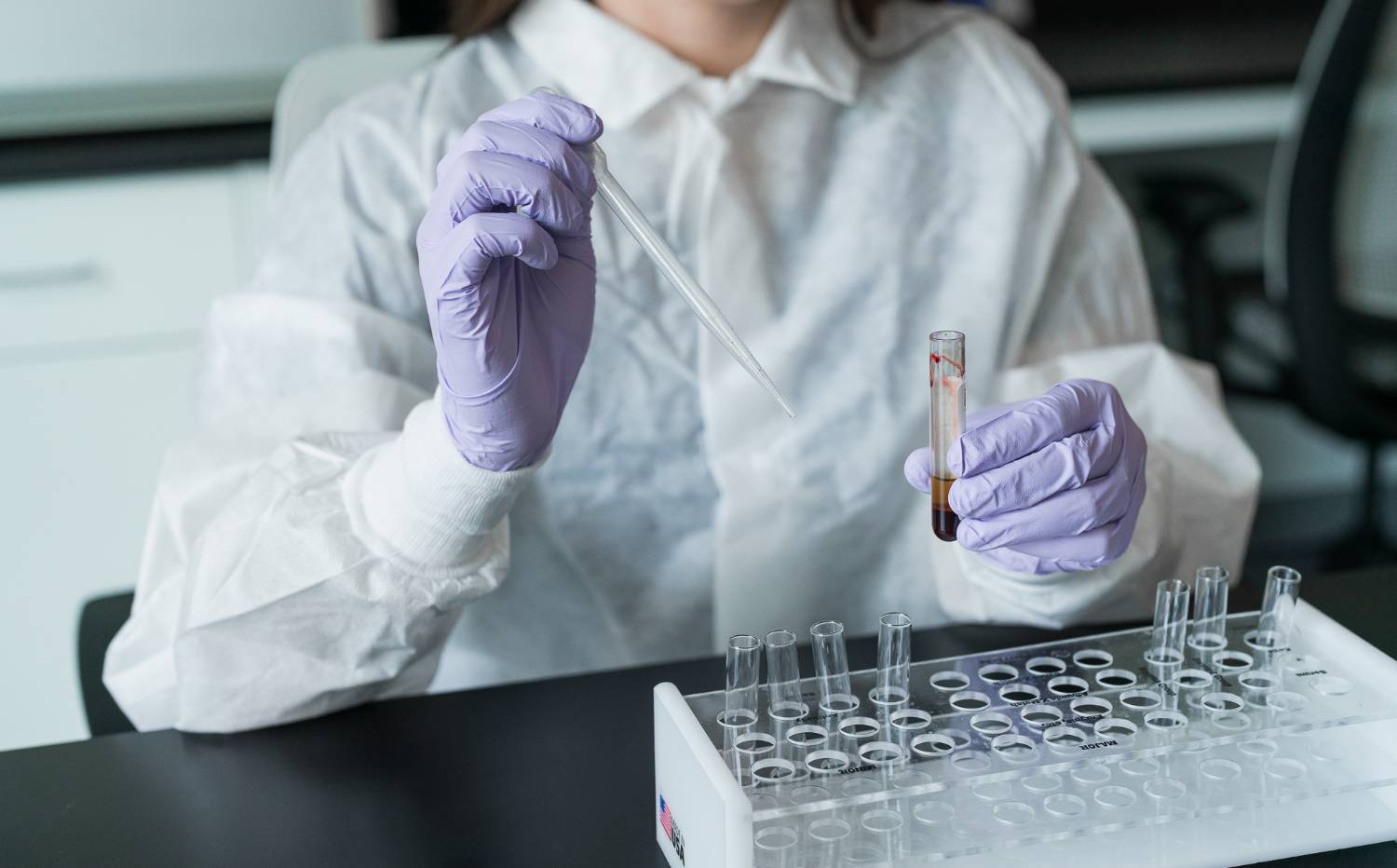
Baton Rouge Clinic Scholars in Medical Lab Sciences
The Baton Rouge Clinic Scholars program is a scholarship opportunity created to recognize and support outstanding students in FranU’s Medical Laboratory Sciences program. Designed specifically for those entering the clinical training phase of their education, this scholarship helps ease financial burdens while encouraging academic excellence and professional growth.
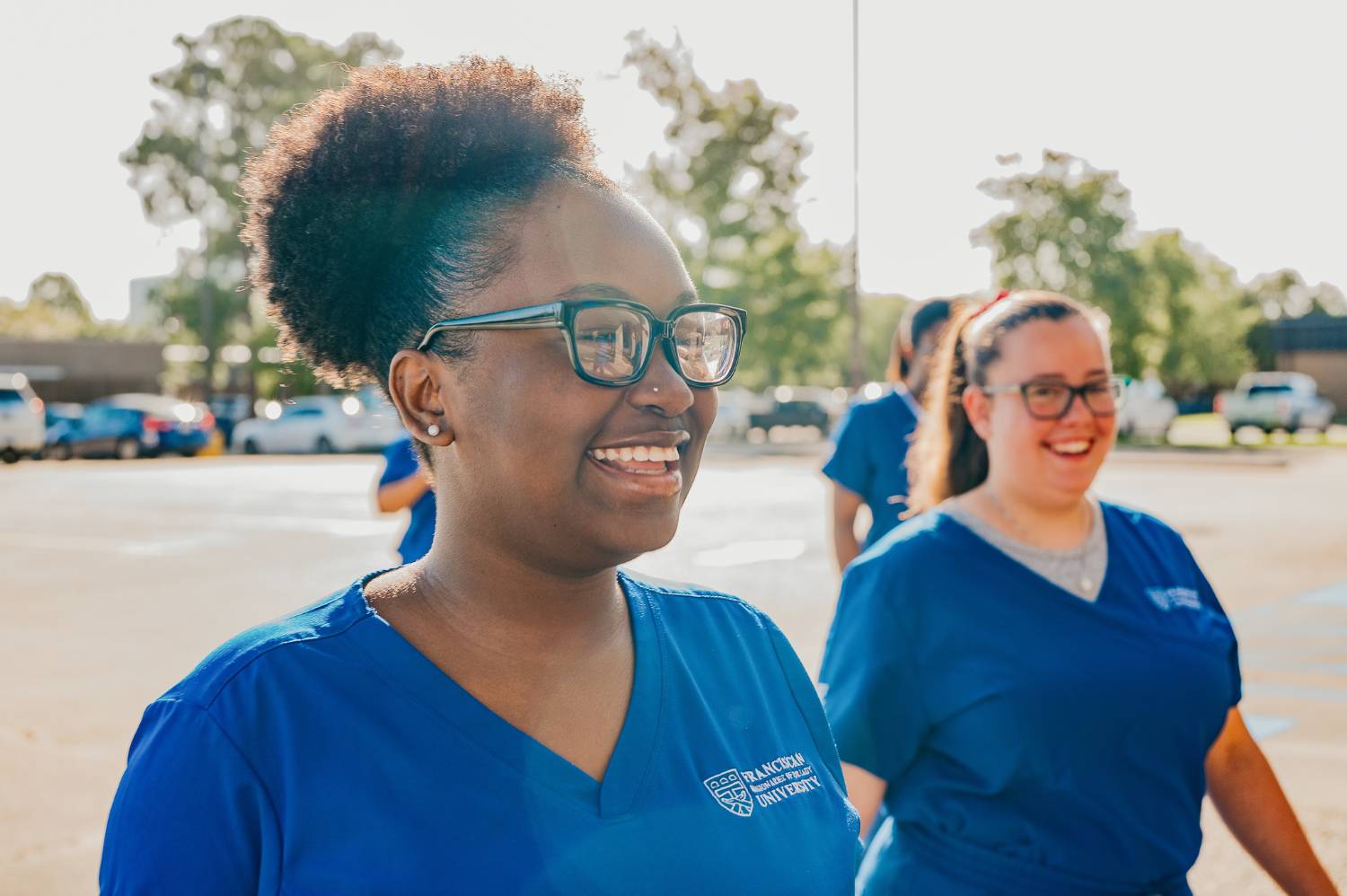
Gain Clinical and Lab Experience in the Medical Laboratory Science BS Degree Program
By enrolling in the Medical Laboratory Science degree program at FranU, you’ll be supported from classroom to career and gain hands-on experience in your field through both clinical and laboratory learning experiences.
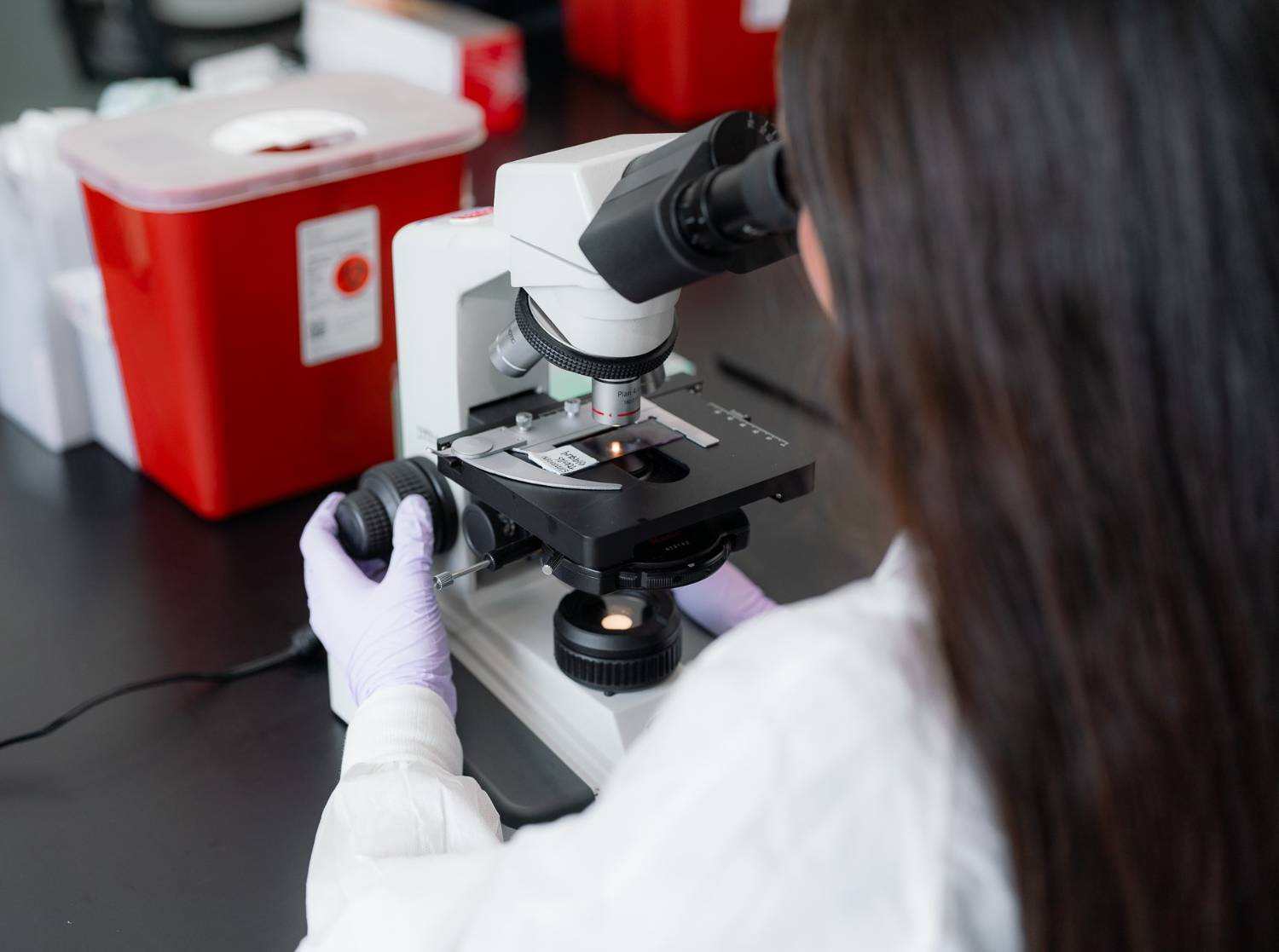
Clinical Microbiology Certificate for Medical Laboratory Science
FranU offers a Clinical Microbiology Certificate designed exclusively for individuals who already hold a bachelor's degree or are currently enrolled in an appropriate bachelor's degree at FranU. This certificate provides focused training in clinical microbiology ideal for individuals seeking to develop expertise specifically in the areas of bacteriology, mycology, parasitology and virology.
MLS Program Mission, Goals and Outcomes
Program Mission
The mission of the Medical Laboratory Science program of Franciscan Missionaries of Our Lady University is to educate and form highly skilled servant leaders who model professional ethics and exhibit critical thinking skills in order to serve patients by producing quality laboratory test results.
Program Goals
The goals of the Medical Laboratory Science degree program are to:
- Provide a high-quality educational experience that imparts to the students the knowledge and skills necessary to ensure success as a clinical laboratory professional.
- Provide the healthcare community with knowledgeable and skilled entry-level practitioners.
Program Learning Outcomes (PLOs)
Upon completion of the Medical Laboratory Science program, students will be able to:
- Apply laboratory science concepts and theories to the practice of clinical laboratory medicine.
- Competently perform manual and automated laboratory science procedures as an entry-level practitioner.
- Demonstrate effective written and oral communication skills within academic and clinical settings.
- Demonstrate Franciscan values and professional ethics/conduct within academic and clinical settings.
MLS Admissions Information
To qualify for admission to the Medical Laboratory Science program, students must:
- Have a minimum cumulative GPA of 2.0
- Complete all general education and prerequisite courses with a grade of “C” or better
- Meet course-specific requirements in writing, math, science, theology and medical lab science
Completion of the following general education requirements and program prerequisites with a grade of "C" or better:
- ACSM 1110: Academic Seminar (1 credit hour)
- WRIT 1310: College Writing I (3 credit hours)
- WRIT 1311: College Writing II (3 credit hours)
- THEO 1310: Introduction to Theology (3 credit hours)
- COMM Elective: (3 credit hours)
- MATH 1315: College Algebra (3 credit hours)
- MATH 2000 Level (3 credit hours)
- BIOL 1315: General Biology I (3 credit hours)
- BIOL 1315L: General Biology I Lab (1 credit hour)
- BIOL 2325: Fundamentals of Microbiology (3 credit hours)
- BIOL 2325L: Fundamentals of Microbiology Laboratory (1 credit hour)
- CHEM 1315: General Chemistry I (3 credit hours)
- CHEM 1315L: General Chemistry Laboratory (1 credit hour)
- CHEM 1316: General Chemistry II (3 credit hours)
- CHEM 1316L: General Chemistry II Laboratory (1 credit hour)
- Humanities Elective: (3 credit hours)
- Science Elective (BIOL, CHEM or PHYS) (11 credit hours), 2000-Level or Above
- Social/Behavioral Science Electives: (6 credit hours)
- Ethics/Philosophy Elective: (3 credit hours)
- MLSC 1110: Introduction to Medical Laboratory Science (1 credit hour)
- MLSC 1310L: Introduction to Laboratory Methods (1 credit hour)
There are two ways in which students can qualify for guaranteed admission into the Medical Laboratory Science Program:
- A student who enters the University as a freshman is guaranteed admission when:
- All prerequisite courses towards the degree are taken at FranU with at least a grade point average of 3.0 on all prerequisite coursework.
- All other minimum program admission requirements are met.
- A transfer student is guaranteed admission when:
- More than 30 hours of required coursework in the program (including courses that are in progress at the time of application to the University) are transferred in with at least a grade point average of 3.2 in these courses.
- A grade point average of at least 3.0 is maintained while completing remaining prerequisite courses at the University.
- All other minimum admission requirements are met.
**Students transferring in less than 30 hours of coursework may be considered for guaranteed admission. Students falling in this category should call the Admissions Department.
A Look Into the Career
FranU is part of Our Lady of the Lake Health System, giving students direct access to one of the region’s leading hospitals, just steps from campus. This close connection means our students learn alongside professionals who are shaping the future of health care.
The combined experience of classroom, lab and clinical rotations helped prepare me for both the certification exam and for my future career. I graduated in 2019 and served as a bench tech for four years before being promoted to senior tech. I continued to learn and grow and after a short eight months, I was then promoted to supervisor. I will forever be grateful to FranU's MLS program for setting me up for such a successful career with unlimited opportunities.
Amanda Ebey, MLS (ASCP) | Class of 2020
Laboratory - Hematology Supervisor, Our Lady of the Lake Regional Medical Center
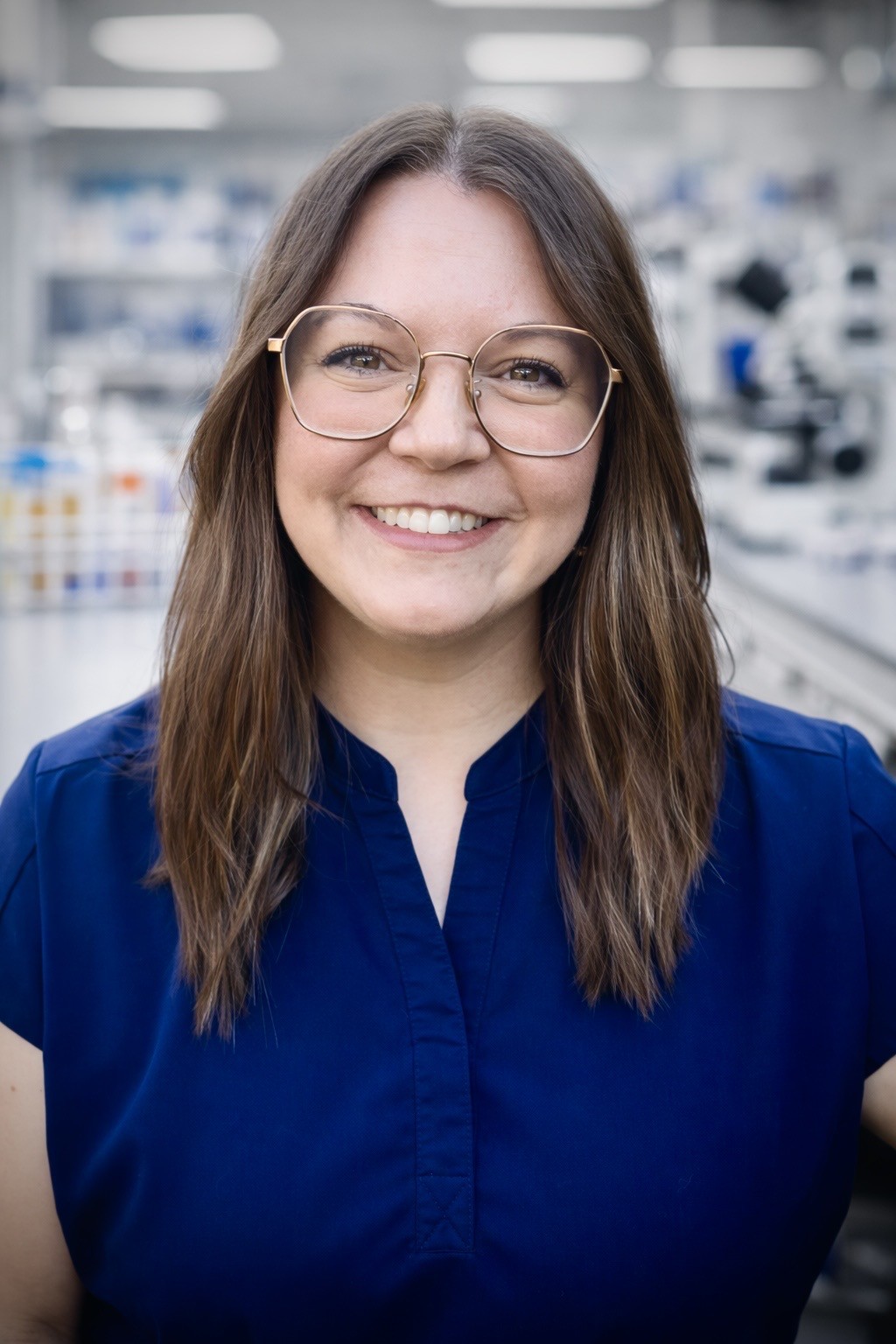
The work of a medical laboratory scientist is truly foundational; we are the hidden architects behind every accurate diagnosis and effective treatment plan, making us an indispensable force in modern healthcare. My passion for Clinical Laboratory Science was cemented during a challenging shift early in my career, where the rapid identification of a rare bacterial strain from a critically ill patient in the ER directly informed the physician's urgent treatment protocol. This moment solidified for me that lab professionals are the 'unseen heroes' of healthcare, providing the evidence that drives and shapes patient care.
Michelle Cardia-Jones M.T., ASCP
Department of Microbiology, Our Lady of the Lake Regional Medical Center

Frequently Asked Questions
If you are a problem solver with a passion for the science laboratory and attention to detail and you desire to work in a carreer which can help people, MLS may be the right profession for you.
In most cases, yes. Please contact Deborah Fox (Deborah.fox@franu.edu, 225-526-1727) for a complete transcript review. Most science-based Bachelor's degrees include the appropriate credits to transfer directly into the MLS program and begin the 18-month curriculum.
The MLS program accepts a new cohort of students to begin in the summer semester each year.
Yes, the MLS curriculum and experience within the MLS field provides an exceptional foundation for advanced career opportunities. Several graduates of the MLS program have chosen to continue their education in graduate school and all have been very successful in advanced healthcare coursework.
Yes, contact Deborah Fox (Deborah.fox@franu.edu, 225-526-1727) to find out which MLS courses are available to non-MLS students who have taken the appropriate pre-requisite coursework.
Medical Laboratory Science Faculty
Our Medical Laboratory Science faculty members are highly-skilled professionals with extensive content expertise and a passion to teach students how to apply practical, clinical knowledge to their future careers.
Resources
| Document Title | Type | File Size | |
|---|---|---|---|
|
MLS Handbook 2026 |
|
690.872 KB |
Download |
|
NAACLS Defined Program Outcomes 2026 |
|
257 KB |
Download |
MLS At FranU Accreditation
Regional Accreditation
For information about our SACSCOC accreditation, please visit our Institutional Accreditation page.
NAACLS Accreditation
The Medical Laboratory Science program is accredited by the National Accrediting Agency for Medical Laboratory Science (NAACLS, 5600 N. River Road, Suite 720, Rosemont, IL 60018 or call (773)-714-8880).
The Learning Experience
Get a preview of FranU’s Medical Laboratory Science program. Check out the complete curriculum in SmartCatalog.
- MLSC 3710 Urinalysis and Body Fluids
- MLSC 3725 Immunohematology
- MLSC 3730 Clinical Biochemistry
- MLSC 3740 Clinical Hematology
- MLSC 3750 Clinical Microbiology


Award-Winning Excellence at FranU
Our nationally recognized programs set the standard in higher education.
See What Sets FranU ApartWhere Progress Makes Headlines
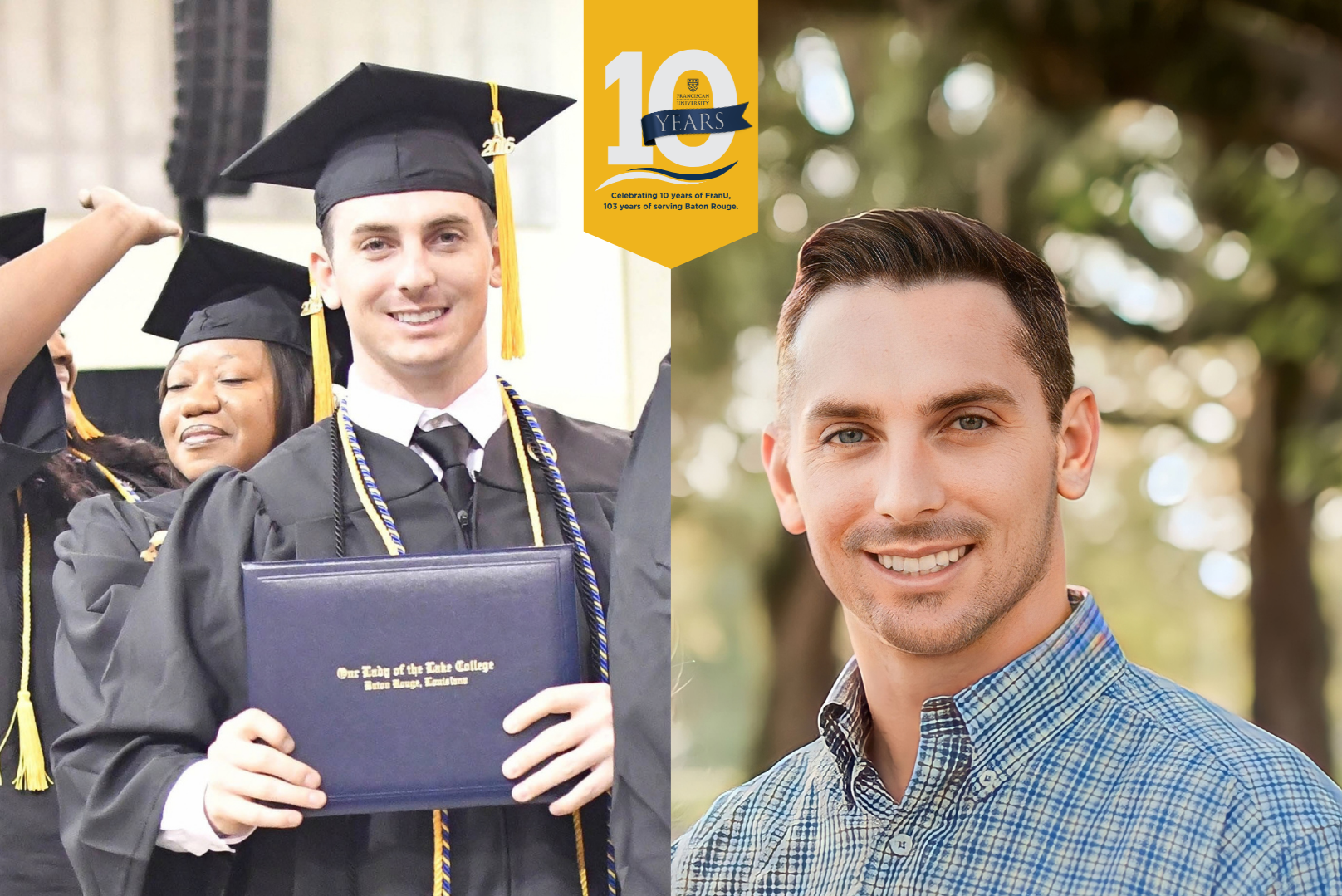
A Student of OLOL College, a Graduate of FranU
One of the most transformational periods of Russel Landry’s life began more than 10 years ago as a student at Our Lady of the Lake College.
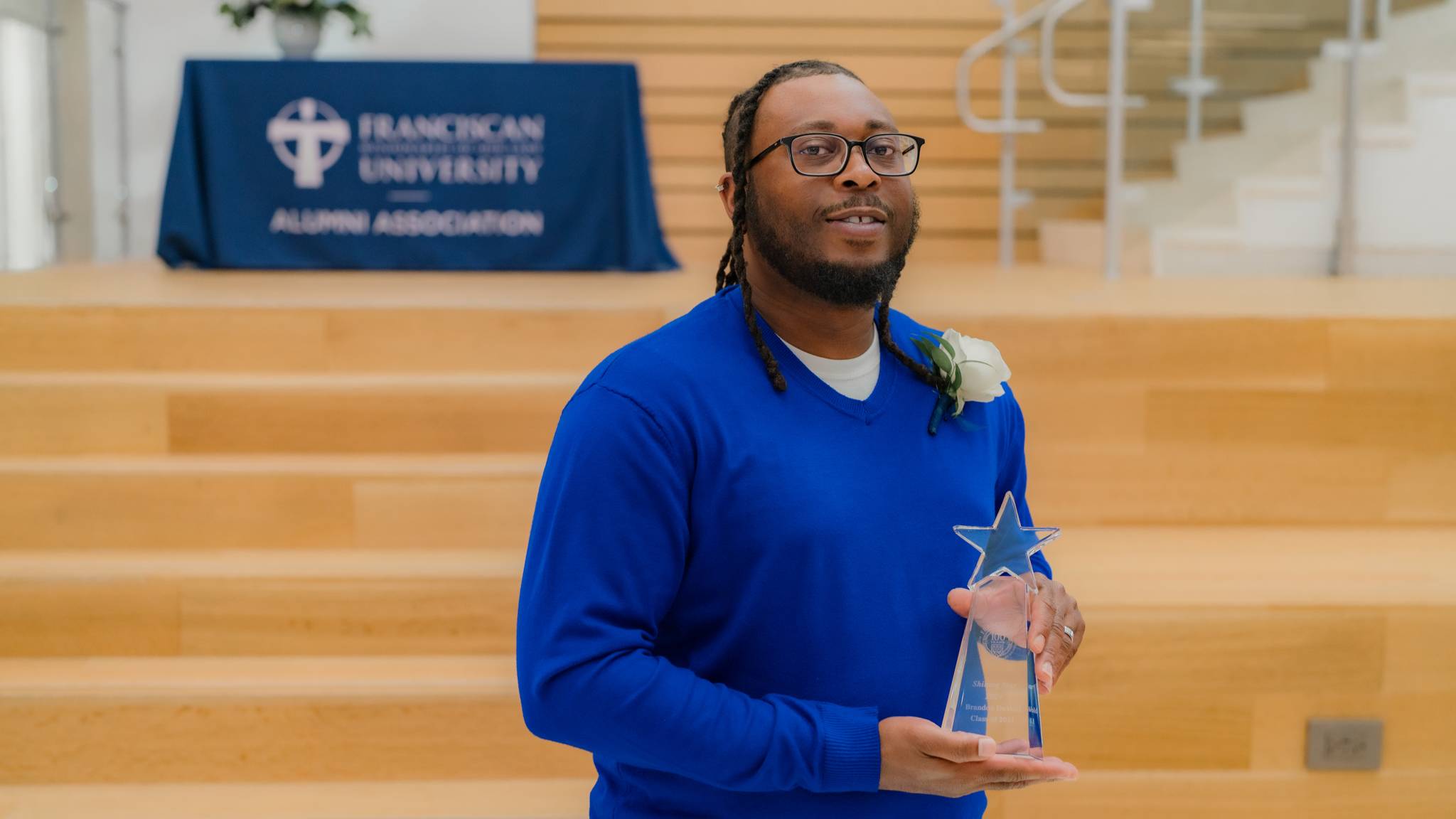
FranU Alumnus Brandon DeVold’s Story of Resilience and Leadership
Brandon DeVold shows that you won’t always have a plan when it comes to your future and to lean on those around you to find a way forward.
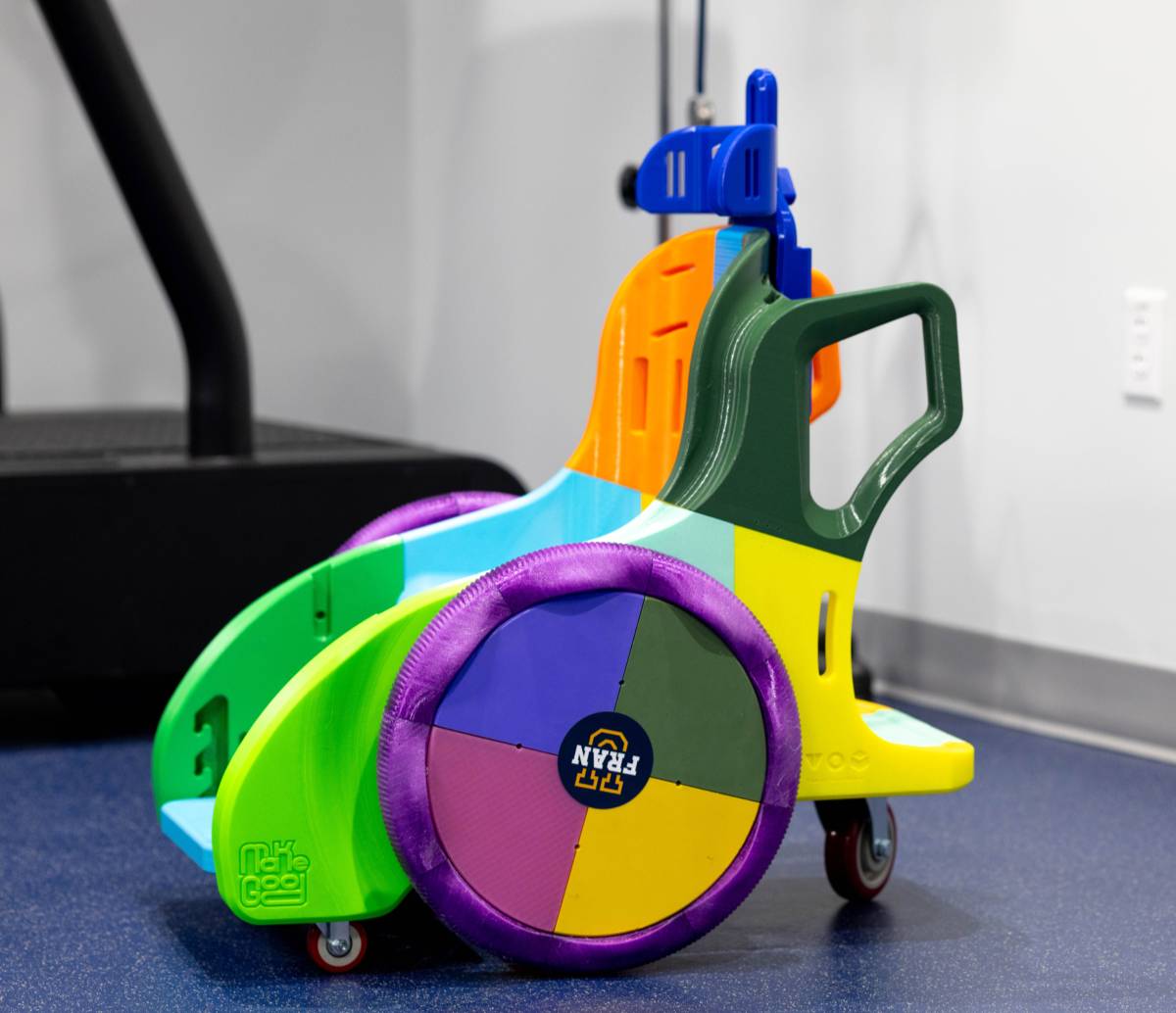
FranU DPT Students Use 3D Printing to Create Mobility Devices for Children
Through innovation and service, FranU DPT students are creating 3D-printed devices that support mobility and independence for children.