
Master of Science in Nutritional Sciences (MSNS)
-
Degree
Master's
-
School
Health Professions
-
Program Feature(s)
Specialized Tracks, Online, Hybrid
Program Overview
The Master of Science in Nutritional Sciences (MSNS) program is designed to educate and form servant leaders in the field of health and wellness. With a Registered Dietitian Nutritionist (RDN) option and a Thesis option, the Nutritional Sciences MS degree program allows students to tailor their curriculum to fit their career goals and interests.
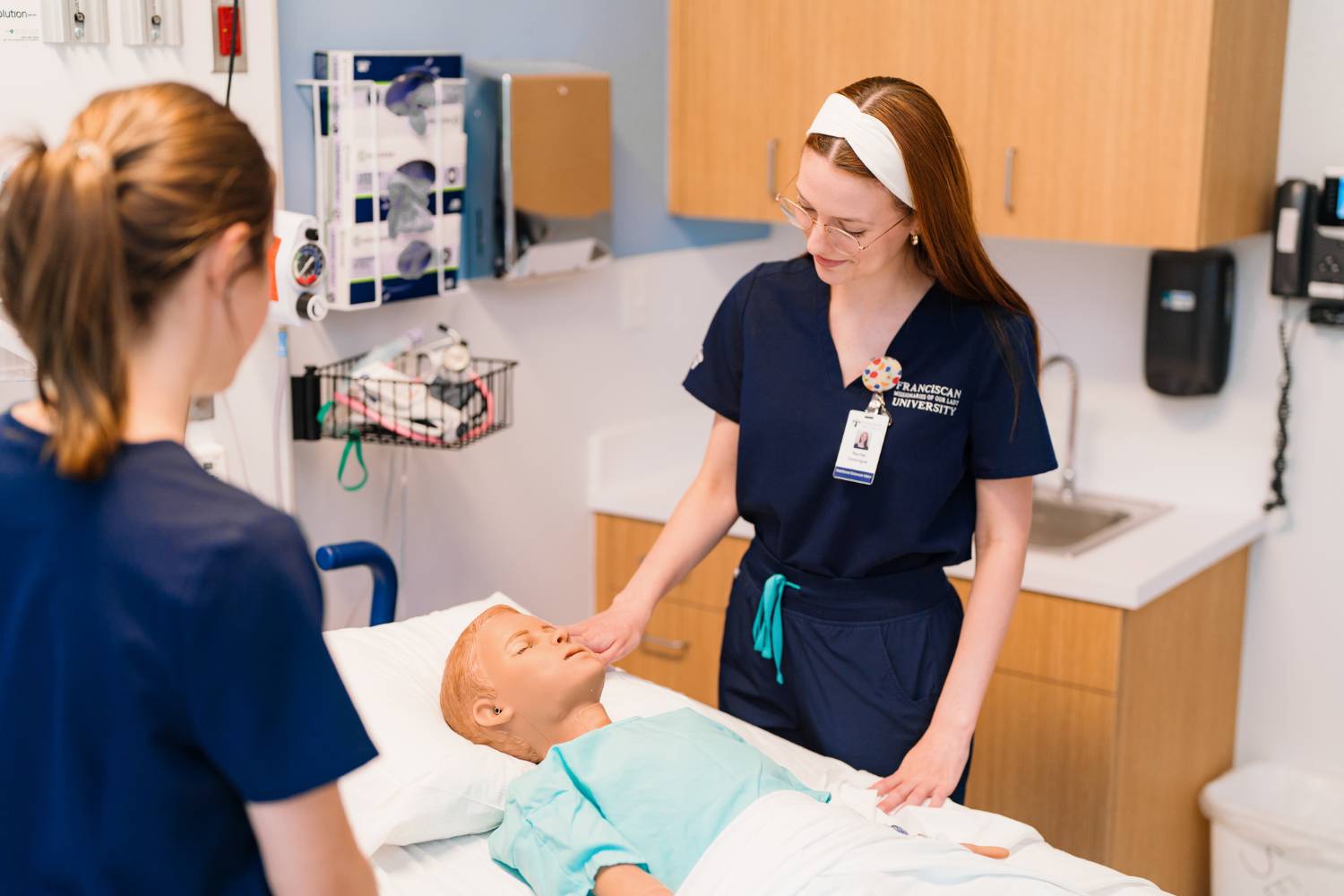
Students pursuing their master’s in nutrition leading to the RDN credential at FranU will also experience the Nutrition Skills Lab and Simulation Environment Teaching Hospital (SETH), a state-of-the-art simulated learning environment where students can complete computer-based task training.
With diverse simulation suites and a number of debriefing rooms, students will find FranU’s facilities play a crucial role in our efforts to provide students with collaborative, hands-on learning experiences.
Fast Facts About MSNS at FranU

“This is a very well-designed program that successfully meets its goal to form competent entry-level dietitians and servant leaders. It's appropriately rigorous and provides students with the resources needed to transition into a career.”
Caroline Landry, M.S., RDN, LDN
MSNS Alumni
MSNS Potential Career Outcomes
Registered Dietitian Nutritionist (RDN)
RDNs provide evidence-based nutrition care in hospitals, clinics, long-term care facilities or private practice, helping individuals manage medical conditions and improve overall health through diet.
Food Research & Menu Development
Work with food companies, healthcare institutions or hospitality groups to develop nutritious, appealing and cost-effective menus, or conduct research on food products, ingredients and dietary trends.
Wellness & Exercise Nutrition
Support individuals and groups in achieving fitness and wellness goals through personalized nutrition plans, often collaborating with fitness professionals, wellness coaches or corporate wellness programs.
Endless Possibilities
An MSNS degree opens doors to diverse and impactful careers. Whether you're passionate about clinical nutrition, food innovation or emerging areas like nutrition technology and research, this degree equips you to make a difference in the health and well-being of individuals and communities.
Master of Science in Nutritional Sciences at FranU
Nutritional Sciences Program Highlights
- Complete in 17 months - The MS in nutritional science is a full-time program consisting of 30-36 credits and can be completed in as few as 17 months.
- No GRE required - Students can apply and enroll in the program without having to complete the Graduate Readiness Exam.
- Online options - Many courses are offered online, but some in the RDN concentration are face-to-face primarily for the skills lab/simulation component of the program. *The thesis concentration is 100% online.
- Interprofessional collaboration - Master's in nutritional sciences students will have the chance to work collaboratively with students in the Physician Assistant Studies program, the Family Nurse Practitioner program and the Doctor of Physical Therapy program.
- Supervised rotation - Students in the RDN concentration rotate through diverse settings, including hospitals, clinical and management settings, food service and administrative sites, community-based settings and entrepreneur and private practices.
- Skills labs training - Students in the RDN concentration will receive training on utilizing telehealth, conducting swallow screens, inserting nasogastric feeding tubes, conducting point-of-care laboratory tests, completing routine health screening assessments and more.
- A path to becoming an RDN - By completing the RDN concentration, students will meet the requirements to sit for the CDR credentialing exam for dietitian nutritionists. Upon passage of the RDN exam, the graduate will be credentialed as an RDN.
Master's in Nutrition Concentration Options
Nutritional sciences majors can choose to complete the concentration to become an RDN or complete a Thesis. The RDN option is primarily for students who want to become registered dietitians nutritionists (RDNs), while the thesis option is geared toward students who are already RDNs, students completing a stand-alone dietetic internship program, or students who are not seeking RDN status but wish to pursue a master's degree in nutritional sciences.
Registered Dietitian Concentration
The RDN concentration is primarily for students who want to become registered dietitians nutritionists (RDNs). Our rigorous and hands-on program empowers you to become a compassionate and competent RDN and prepares you to confidently sit for the certification exam.

Thesis Concentration
Advance your career in the health and wellness space in our research-focused program. The thesis option is for students who are already RDNs seeking a master’s degree, dietetic interns seeking a master’s degree or students who want to pursue research in the field of nutrition and dietetics.
The 100% online thesis concentration offers the opportunity for you to focus your studies on your interests, conduct your own research and prepare an article for publication.
MSNS Program Mission, Goals and Outcomes
Program Mission
The mission of the MSNS program is to educate and form entry-level registered dietitian nutritionists or dietetic practitioners to meet the core competencies for becoming servant leaders in health and wellness. With a concentration in community nutrition, graduates will be educated in the most rigorous, individualized, professional and comprehensive manner.
Program Goals
- The program will prepare graduates to be competent for entry-level practice as registered
dietitian nutritionists (RDNs).
- Objectives:
- The program’s one-year pass rate (graduates who pass the registration exam within one year of first attempt) on the CDR credentialing exam for dietitian nutritionists is at least 80%.
- At least 80% of program students complete program/degree requirements within 25.5 months (150% of the program length).
- 100% of students will pass the program’s exit comprehensive entry-level nutrition and dietetics skills simulation exam with a score of no less than 80%.
- Objectives:
- Graduates of the program will be compassionate, well-qualified professionals and servant
leaders in health and wellness prepared to provide entry-level nutrition and dietetics
services.
- Objectives:
- Of graduates who seek employment, 80% are employed in nutrition and dietetics or related fields within 12 months of graduation.
- 80% of employers rank graduates as ‘satisfied’ or above in preparation for entry-level practice.
- 80% of program graduates take the CDR credentialing exam for dietitian nutritionists within 12 months of program completion.
- 60% of graduates are involved as a leader in a community service and/or a professional organization in health and wellness.
- Objectives:
Program Level Student Learning Outcomes (PLOs)
- Apply foundational sciences to food and nutrition knowledge to meet the needs of individuals, groups and organizations.
- Integrate evidence-based guidelines, critical thinking and effective communication in the comprehensive plan of care for various disease conditions, populations and cultures.
- Analyze food systems principles and management skills to ensure safe and efficient delivery of food and nutrition resources and services.
- Demonstrate leadership and service in guiding practices to support initiatives for the community.
- Exhibit professional responsibilities to provide safe, ethical and effective counseling by sharing gifts and talents through health and wellness education.
*Program outcomes data are available upon request.
Nutritional Science Program Features
The MSNS program admits students every Fall semester. The MSNS program participates
in the Dietetics Inclusive Centralized Application Service, DICAS.
Application deadline is February 15th each year.
Any questions related to application processes should be addressed through Admissions
via email at admissions@franu.edu or phone at 225-526-1631.
Admission to the MSNS program is a competitive process and applicants must meet the following minimum criteria.
- Be in good academic standing at Franciscan Missionaries of Our Lady University.
- Students must meet at least 1 of the following criteria:
Bachelor of Science in Nutritional Sciences from a US Didactic Program in Dietetics (DPD) program OR
Bachelor’s degree from with the following pre-requisites earned grade of “C” or better: Statistics, General Chemistry, Organic Chemistry, Biochemistry, Anatomy & Physiology, Microbiology, Intro to Nutrition, Nutrition Assessment, Human Nutrition & Metabolism, Nutrition & Disease - Minimum cumulative grade point average of 3.0 strongly recommended.
- Documented evidence of service and leadership through work and/or volunteer experiences.
A fraction of the cost of other comparable programs, the total cost of the master’s in nutritional science program is $27,090.80, and we do not charge out-of-state tuition.
A leading affordable Catholic university, FranU offers scholarships to graduate students, including the FMOL Sisters Graduate Scholarship. Students can also cover the cost of attendance through loans and other forms of financial assistance.
Applications for Fall 2027 Start Date Opens: August 5, 2026. Apply through DICAS at https://dicas.cas.myliaison.com/applicant-ux/#/login
Early Admission
Applications will be accepted for early review until October 15, 2026 with early invitations being made by November 1, 2026.
- Early Application Due Date: October 15, 2026
- Early Applicant Notification Date: November 1, 2026
- Early Applicant Decision Date: November 10, 2026
Regular Admission
Applications for positions unfilled in early applications will be accepted until February 15, 2027 with all applicants being notified by March 1, 2027.
- Application Due Date: February 15, 2027
- Applicant Notification Date: March 1, 2027
- Applicant Decision Date: March 10, 2027
Applications for positions unfilled during these application periods will be accepted until July 15, 2027, if warranted.
Requirements and Process to Become a Registered Dietitian Nutritionist (RDN)
- Complete a minimum of a master's degree at a U.S. regionally accredited university or college or foreign equivalent, and coursework through an Accreditation Council for Education in Nutrition and Dietetics (ACEND) accredited Didactic (DPD), Coordinated (CP), Graduate Program (GP) or Foreign (FDE) program.
- Complete required supervised practice/experience through an ACEND accredited Dietetic
Internship (DI), Coordinated (CP), Graduate Program (GP) or an Individualized Supervised
Practice Pathway (ISPP) offered through an ACEND- accredited program.
The MSNS program at Franciscan Missionaries or Our Lady University meets this requirement in the process to becoming an RDN. - Pass a national examination administered by the Commission on Dietetic Registration (CDR). For more information regarding the examination, refer to CDR's website at http://www.cdrnet.org .
- Complete continuing professional educational requirements to maintain registration. Some RDNs hold additional certifications in specialized areas of practice. These are awarded through CDR, the credentialing agency for the Academy and/or other medical and nutrition organizations and are recognized within the profession, but are not required. Some of the certifications include pediatric or renal nutrition, sports dietetics, nutrition support and diabetes education.
After fulfilling the requirements for becoming a registered dietitian nutritionist, some states may require further licensure. This program meets the requirements for Louisiana state licensure, as well as several others. For information on state licensure requirements, please visit the Commission on Dietetic Registration at https://www.cdrnet.org/licensure
A Look Into the Career
FranU is part of Our Lady of the Lake Health System, giving students direct access to one of the region’s leading hospitals, just steps from campus. This close connection means our students learn alongside professionals who are shaping the future of health care.
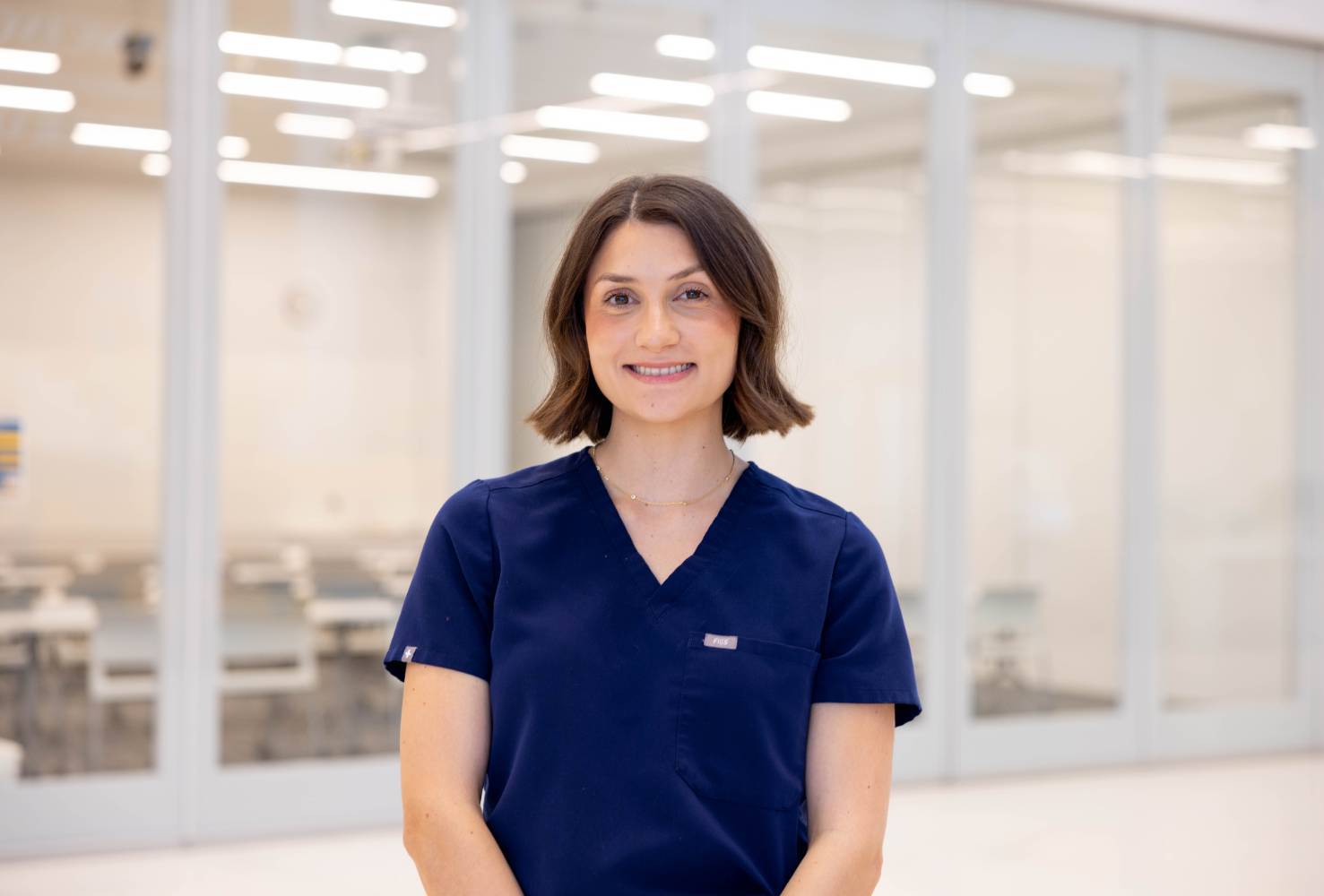
As essential members of the healthcare team, registered dietitians drive better patient outcomes through individualized nutrition interventions. In the clinical setting, dietitians are the voice for nutrition—balancing immediate medical needs with the goal of optimizing patients’ strength, recovery and overall quality of life."
Amber Bailey, MS, RDN, LDN, CNSC
Lead Dietitian at Our Lady of the Lake Sodexo
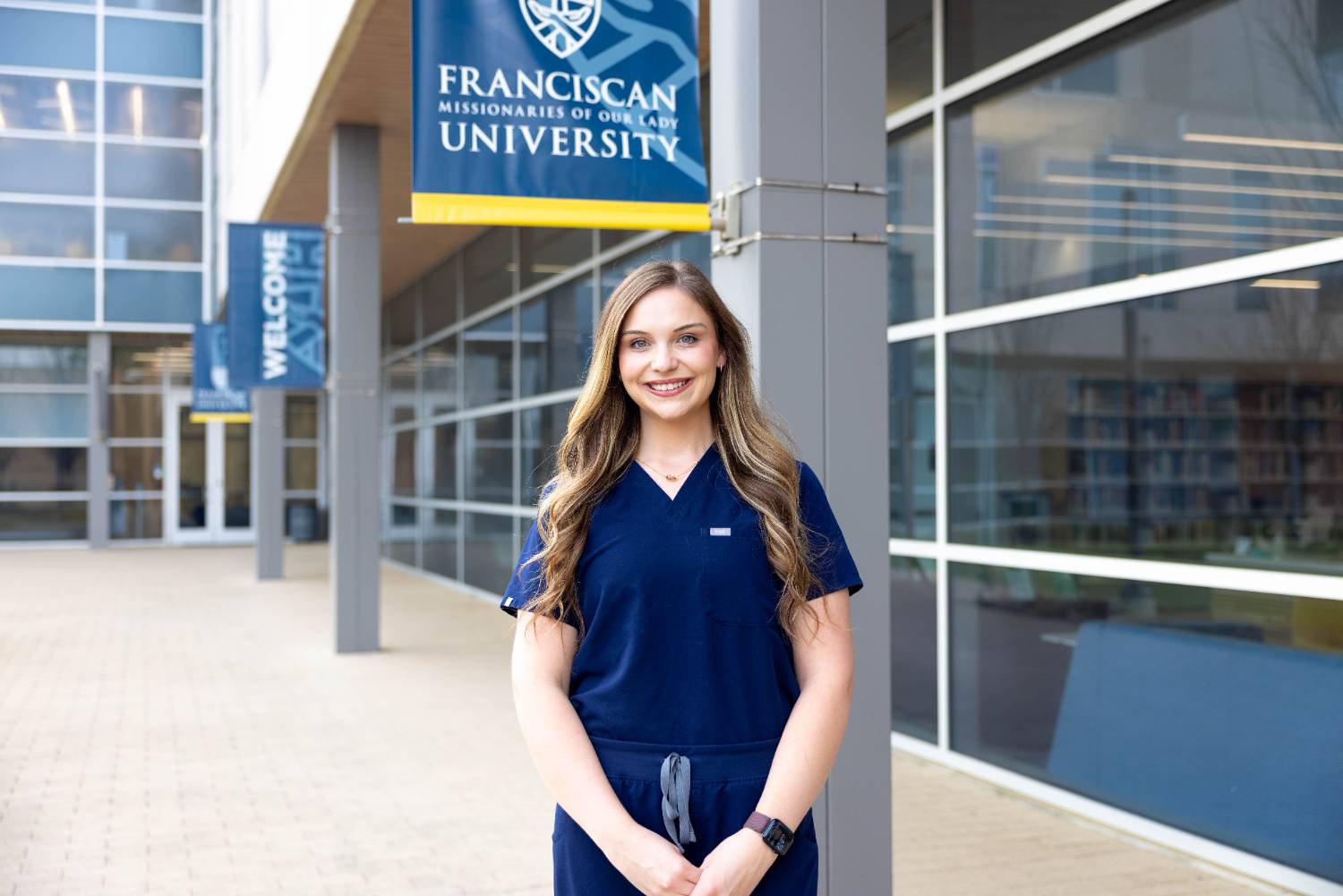
Guided by FranU’s core value of service, I approach my career as a registered dietitian with a commitment to evidence-based nutrition care that promotes healing and improves patient outcomes. It is equally rewarding to mentor FranU nutrition students as they prepare to become the next generation of registered dietitians."
Emilie Costa, MS, RDN, LDN, CNSC | Class of 2021
Clinical Dietitian III at Our Lady of the Lake Sodexo
Resources

Academic Calendar
The Master of Science in Nutritional Sciences program follows the University’s academic calendar schedule.

Technology Requirements for Distance Education
Students enrolled in online or hybrid courses must meet the university’s technology requirements for distance education.
Closure of the DI
The FranU Master of Science in Nutritional Sciences with Dietetic Internship program closed on December 31, 2025 and transitioned to the FranU Master of Science in Nutritional Sciences RDN concentration program. Alumni of the dietetic internship program may reach out to Dr. Kathryn Fakier to obtain a copy of their verification statement after program closure.
Nutritional Science Faculty
FranU’s Nutritional Science faculty are experienced professionals who bring a strong foundation in dietetics and wellness, committed to teaching students how to improve health through evidence-based nutrition practices.
Accreditaiton Information
Regional Accreditation
For information about our SACSCOC accreditation, please visit our Institutional Accreditation page.
ACEND Accreditation
Franciscan Missionaries of Our Lady University's Future Education Model Graduate Program is granted full accreditation by the Accreditation Council for Education in Nutrition and Dietetics (ACEND), 120 South Riverside Plaza, Suite 2190, Chicago, IL 60606-6995, 312-899-0040 ext. 5400. For more information, visit their website at www.eatrightpro.org/acend.
Note: Prospective students should visit the State Authorization page to verify that Franciscan Missionaries of Our Lady University is authorized to offer online courses and programs in your respective state. Prior to enrollment, students are also encouraged to visit their state educational agency or licensing board to ascertain whether or not they can utilize their degree program for additional compensation, initial licensing or renewal, as well as any other benefits.
The Learning Experience
Get a preview of FranU’s Master of Science in Nutritional Sciences program, with two specialized concentrations.
- NUTR 5320 Advanced Medical Nutrition Therapy
- NUTR 5315 Bionutrition
- NUTR 5325 Advanced Food Service Systems
- NUTR 5310 Community Nutrition Policy




Award-Winning Excellence at FranU
Our nationally recognized programs set the standard in higher education.
See What Sets FranU ApartWhere Progress Makes Headlines

A Student of OLOL College, a Graduate of FranU
One of the most transformational periods of Russel Landry’s life began more than 10 years ago as a student at Our Lady of the Lake College.

FranU Alumnus Brandon DeVold’s Story of Resilience and Leadership
Brandon DeVold shows that you won’t always have a plan when it comes to your future and to lean on those around you to find a way forward.
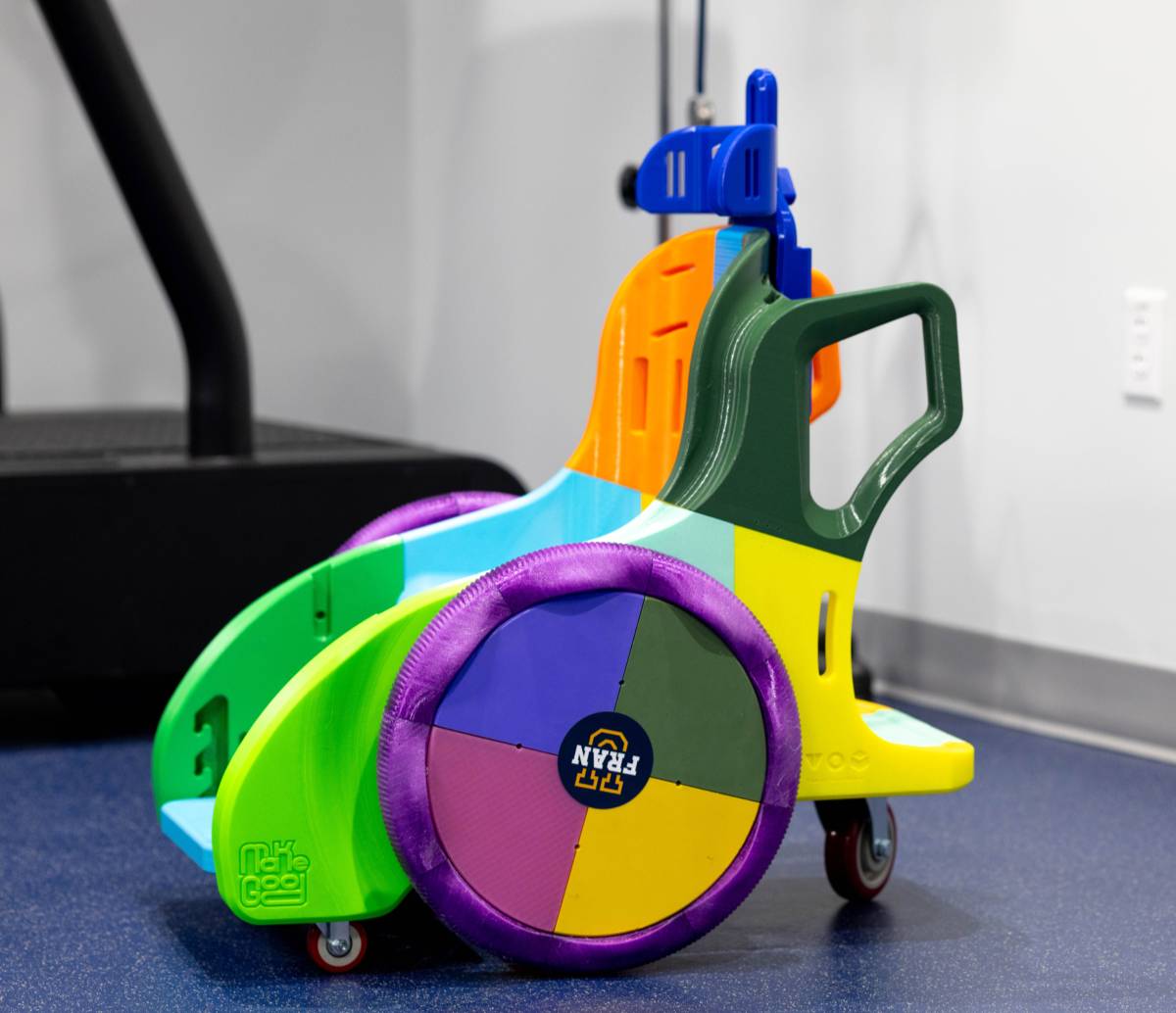
FranU DPT Students Use 3D Printing to Create Mobility Devices for Children
Through innovation and service, FranU DPT students are creating 3D-printed devices that support mobility and independence for children.